
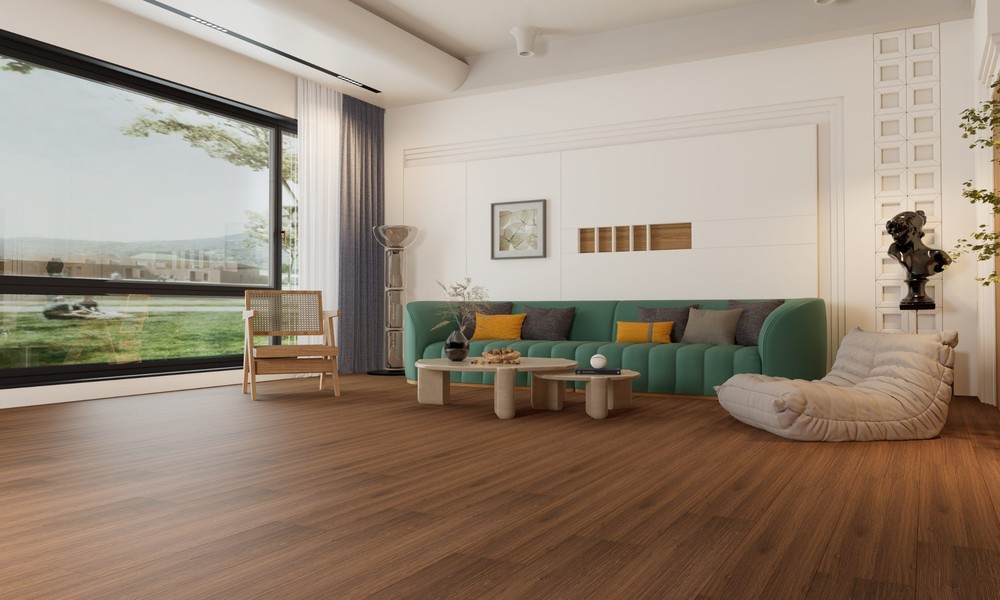

engineered wood flooringsolid wood floorflooring comparison
H2 What is Engineered Wood Flooring?
Engineered wood flooring is manufactured by glueing a real wood veneer to many layers of plywood or high-density fiberboard to form a layered product that is created to be more stable and less likely to change due to the environment.
H3 Key characteristics of engineered wood flooring include:
- A real wood surface with a layered substrate
- More moisture and temperature resistant
- Less prone to warp and shrink
- Can be used in multiple climates
H2 What is Solid Wood Flooring?
A solid wood floor is made from a single piece of wood. A solid wood floor has a classic wooden floor look, is durable over the long term, and has the opportunity to be refinished multiple times.
H3 Key characteristics of solid wood flooring include:
- Made from 100% natural wood
- Can be sanded or refinished multiple times
- Can last a long time when properly maintained
- Classic high-quality look
H2 Key Differences Between Engineered and Solid Wood Floors
Understanding the differences between engineered wood flooring and solid wood flooring will help with your selection process.
- Engineered wood flooring has multiple layers of plywood or high-density fiberboard, while a solid wood floor is one solid piece of wood.
- Solid wood is sensitive to moisture, and as a result, it does not perform well in conditions that produce humidity. Engineered wood flooring performs better than solid wood in conditions that have high humidity.
- Engineered wood flooring products are more stable and do not expand and contract as much as solid wood
- Due to the construction of solid wood products, they can be refinished multiple times; whereas engineered wood flooring products can only be refinished a limited number of times.
- Engineered wood flooring products are less difficult to install and take less time to install than solid wood products
H2 Using Engineered Wood Flooring
Engineered wood flooring can be used in spaces where the environment is likely to vary.
H3 Some of the best uses for engineered wood flooring include:
- Apartments and contemporary homes
- Basements, or any other areas where there is a possibility of moisture
- Commercial buildings
- Any area with under-floor heat
H2 Using Solid Wood Flooring
Solid wood floors perform best in stable, moisture-free environments when long-term durability and visual appeal are desired.
H3 Some of the best applications for solid wood flooring include:
H2 Which Floor is Right for You?
Selecting an engineered wood flooring versus a solid wood floor will depend on how you expect to use the floor.
- Select the engineered wood if you are looking for a stable product with excellent moisture resistance
- Select solid wood if you have a plan to refinish the floor multiple times and want something durable.
- Consider your local climate and the use of space in making your decision.
- Align your choice with your design intent and your maintenance practices
H2 Conclusion
Both engineered wood flooring and solid wood floor products have their own pros and cons; therefore, the best selection will depend on your overall environmental concerns and the use of the space.
Engineered wood flooring will provide superior stability and versatility; however, a solid wood floor will give you a classic, timeless appeal that will last longer than engineered wood. Choosing the correct type of flooring will depend on how you are planning to use the flooring in your home, so finding the correct balance between both design and performance aesthetics will be possible. With solutions from Royale Touche, you will have a much easier time achieving a beautifully coordinated and sophisticated interior design.