
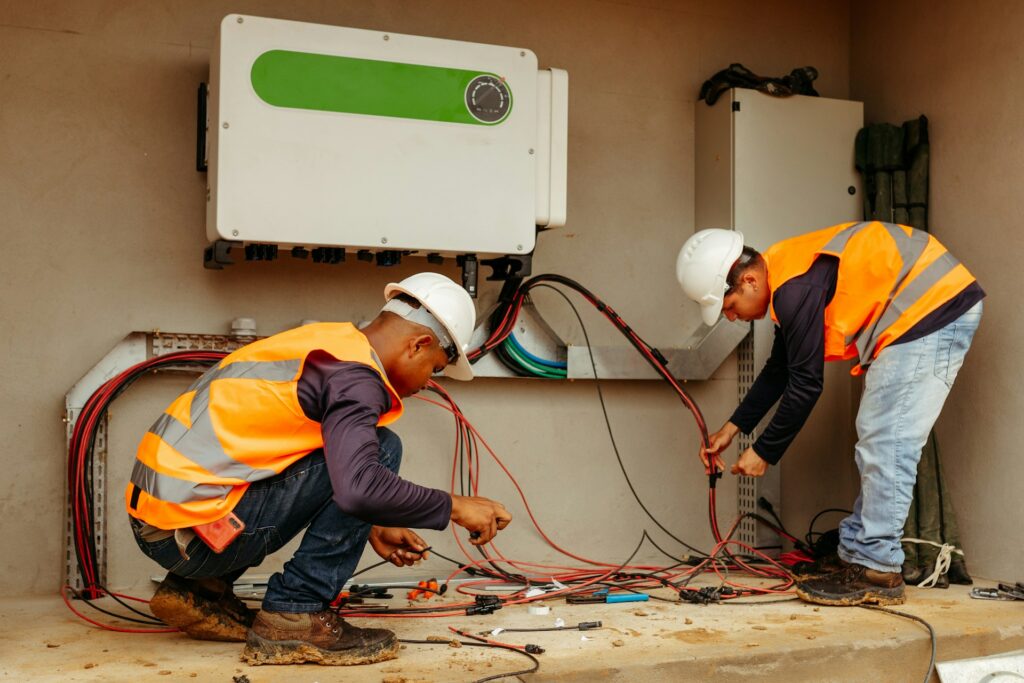

If you’re a homeowner in Austin, Texas, investing in backup power is one of the smartest decisions you can make. With unpredictable storms, grid strain during extreme heat, and the occasional outage, having reliable electricity is no longer a luxury-it’s a necessity. That’s why more homeowners are exploring standby generator installation as a long-term solution.
But before you move forward, there’s a critical step many people overlook: a professional pre-installation evaluation. Especially for two-story townhomes, your existing electrical system may not be ready to safely support a generator without upgrades or modifications. In this guide, we’ll walk you through why a licensed electrician’s evaluation is so important, what it includes, and whether this is something you can realistically tackle as a DIY project.
Understanding the Importance of a Pre-Installation Evaluation
A standby generator isn’t just another appliance-it’s a system that integrates directly with your home’s electrical panel, circuits, and sometimes even your gas supply. Without proper planning, you could face serious safety risks or costly repairs down the line.
A pre-installation evaluation ensures your home is ready for standby generator installation by identifying:
- Electrical panel capacity
- Load requirements
- Wiring condition and code compliance
- Proper transfer switch placement
- Grounding and bonding integrity
For two-story townhomes in Austin, these factors become even more important. Shared walls, limited exterior space, and HOA restrictions can all impact how and where your generator is installed.
Why Two-Story Townhomes Require Extra Attention
Townhomes are unique compared to single-family homes. While they offer convenience and affordability, their electrical systems can be more complex due to:
1. Limited Electrical Panel Capacity
Many townhomes were built with smaller panels that may already be near capacity. Adding a standby generator could overload the system if upgrades aren’t made.
2. Space Constraints
Generator placement must meet local code requirements for clearance, ventilation, and noise. Tight property lines in Austin neighborhoods can make this challenging.
3. Shared Infrastructure
Some townhomes share utility lines or have closely grouped service equipment, which can complicate installation and require coordination.
4. Vertical Load Distribution
With two stories, your electrical load is distributed across multiple levels, which can affect how circuits are prioritized during outages.
A licensed electrician performing a pre-installation evaluation will account for all these variables before recommending a solution.
What Happens During a Professional Evaluation?
When you hire a licensed electrician in Austin, TX, the evaluation process is thorough and tailored to your home. Here’s what you can expect:
Electrical Load Calculation
Your electrician will calculate how much power your home uses and determine what size generator is appropriate. This ensures your standby generator installation can handle essential systems like:
- HVAC units
- Refrigeration
- Lighting
- Home office equipment
- Medical devices (if applicable)
Panel Inspection
The electrical panel is inspected for:
- Available space for new breakers
- Signs of wear or outdated components
- Proper labeling and organization
If your panel is outdated, an upgrade may be required before installation.
Transfer Switch Planning
A transfer switch safely connects your generator to your home. Your electrician will determine the best location and type (manual vs. automatic) based on your setup.
Code Compliance Check
Austin has strict electrical codes, and installations must meet both local and state regulations. A licensed electrician ensures your standby generator installation passes inspection and avoids fines or delays.
Grounding and Bonding Verification
Proper grounding is critical for safety. Faulty grounding can lead to electrical shock or equipment damage.
Can You Install a Standby Generator Yourself?
This is one of the most common questions homeowners ask-and the honest answer is: it’s not recommended.
While there are many home improvement projects that a handy homeowner can handle, standby generator installation is not one of them. Here’s why:
1. Electrical Complexity
Installing a generator involves working with high-voltage systems, transfer switches, and your main service panel. Mistakes can lead to:
- Electrical fires
- Equipment failure
- Serious injury or worse
2. Permits and Inspections
In Austin, generator installations require permits and must be inspected. DIY work often fails inspections, leading to costly rework.
3. Code Requirements
Texas electrical codes are strict, and they exist for a reason. Licensed electricians are trained to meet these standards, while DIY installations often fall short.
4. Warranty Issues
Many generator manufacturers require professional installation to maintain warranty coverage. A DIY job could void your investment.
5. Insurance Risks
If something goes wrong with a DIY installation, your homeowner’s insurance may not cover the damage.
Why Austin Homeowners Trust Licensed Electricians
When it comes to something as critical as your home’s power supply, working with a licensed electrician isn’t just a recommendation-it’s the safest and most reliable choice.
Here’s what you gain:
Expertise and Experience
Licensed electricians have the training and hands-on experience needed to handle complex installations safely and efficiently.
Local Knowledge
Austin electricians understand local codes, permitting processes, and neighborhood considerations, ensuring your standby generator installation goes smoothly.
Proper Equipment and Tools
Professional-grade tools and testing equipment make a significant difference in installation quality and safety.
Peace of Mind
Knowing your system is installed correctly allows you to rely on your generator when you need it most.
Common Issues Found During Evaluations
Many homeowners are surprised to learn their electrical system isn’t ready for a generator. Some common issues include:
- Undersized electrical panels
- Outdated wiring (especially in older townhomes)
- Improper grounding
- Overloaded circuits
- Lack of space for a transfer switch
Identifying these issues early allows you to address them before moving forward with standby generator installation.
The Cost of Skipping an Evaluation
Trying to cut corners by skipping a pre-installation evaluation can lead to:
- Failed inspections
- Unsafe installations
- Costly repairs
- Delayed projects
- Reduced generator performance
In the long run, a professional evaluation actually saves you money by preventing mistakes and ensuring everything is done right the first time.
How to Prepare for Your Evaluation
If you’re considering a generator, here are a few steps you can take before scheduling an evaluation:
- Make a list of essential appliances you want powered during an outage
- Locate your electrical panel and ensure it’s accessible
- Gather any documentation about recent electrical upgrades
- Check HOA guidelines if applicable
Being prepared helps your electrician provide more accurate recommendations for your standby generator installation.
Final Thoughts: Don’t Leave It to Chance
Your home’s electrical system is the backbone of your daily life. When the power goes out, a standby generator can keep everything running-but only if it’s installed correctly and safely.
For two-story townhome owners in Austin, Texas, a pre-installation evaluation by a licensed electrician is not just a smart step-it’s essential. From assessing your panel capacity to ensuring code compliance, this process lays the foundation for a successful installation.
While it may be tempting to approach this as a DIY project, the risks far outweigh the rewards. Electrical work of this scale should always be left to the Texas licensed electricians that Austin homeowners trust.
If you’re ready to move forward, start with a professional evaluation. It’s the best way to ensure your investment in standby generator installation delivers reliable, safe power for years to come.