
Major weather changes can put extra pressure on the systems that keep a home comfortable and functional. As temperatures rise or fall, heating, cooling, plumbing, and electrical components often have to work harder than they do during milder periods. Small problems that seem unimportant in comfortable weather can become much more noticeable when a system is under constant demand.Taking some time to check essential home systems before a seasonal shift can help homeowners spot developing problems early. For households looking for dependable Cedar Rapids plumbing and HVAC services, a seasonal check can also be a useful way to identify issues that need professional attention before they turn into larger repairs.
1. Air Conditioning System
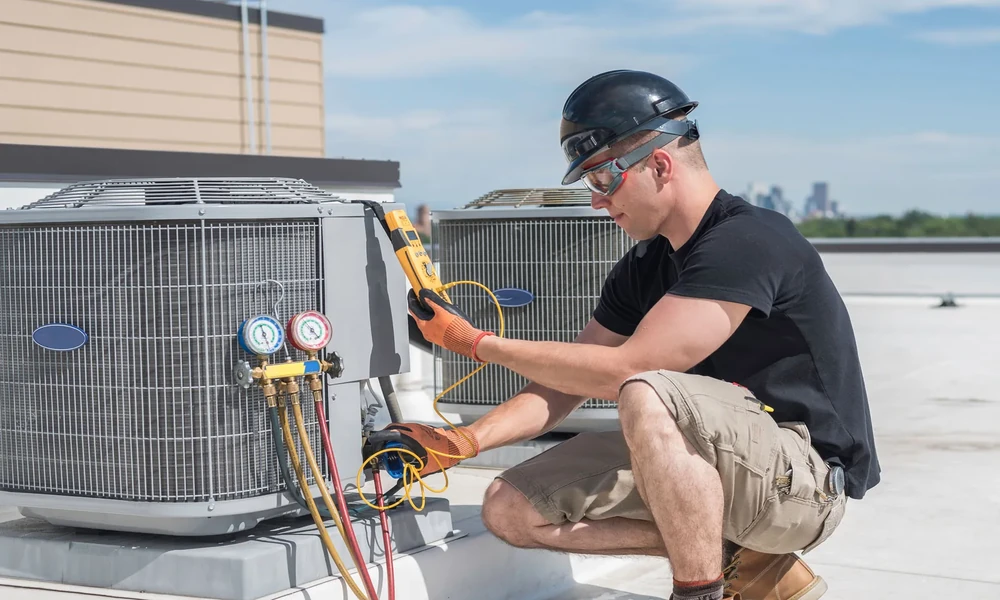
When warmer weather arrives, the air conditioner becomes one of the hardest-working systems in the home. An AC that has been sitting mostly unused for months may not perform as expected once temperatures climb.Before heavy cooling begins, homeowners should pay attention to:Airflow: Weak airflow from vents can point to a clogged filter, blocked duct, or blower problem.Cooling performance: Rooms that remain warm while the rest of the house feels comfortable may indicate an airflow or equipment issue.Unusual sounds: Grinding, rattling, buzzing, or repeated clicking shouldn’t be ignored.Frequent cycling: An AC that turns on and off much more often than expected may need inspection.Checking these signs early gives homeowners a chance to address problems before the system is needed for long periods.
2. Heating System
The same approach applies when preparing for colder weather. Furnaces and other heating equipment may sit unused during warmer months, so problems aren’t always obvious until the first cold spell.A system that struggles to start, produces unusual smells, or takes much longer than usual to warm the home may need attention. Replacing a dirty filter and checking that vents aren’t blocked can help maintain airflow, but persistent performance problems should be investigated rather than ignored.
3. Plumbing and Water Supply
Weather changes can affect plumbing in different ways. Cold conditions can place stress on exposed pipes, while warmer weather can increase household water use and put additional demand on plumbing fixtures and drainage systems.Before a major temperature shift, look around the home for dripping faucets, damp areas beneath sinks, slow drains, or toilets that continue running after flushing. These problems may seem minor, but a small leak can waste water and cause damage if it continues unnoticed.
4. Water Heater
Water heaters work throughout the year, but their importance becomes especially obvious when outdoor temperatures change. A water heater that is already struggling may show clearer signs of trouble when household demand increases.Inconsistent hot water: Water that suddenly turns lukewarm during normal use can point to a developing problem.Unusual noises: Popping, rumbling, or banging sounds can indicate sediment or other issues inside the tank.Visible leaks: Water around the tank or connections should be investigated promptly.Slow recovery: If the heater takes noticeably longer to provide hot water again, its performance may need to be checked.Regular attention can help homeowners catch problems before they result in a complete loss of hot water.
5. Electrical System
Heating and cooling equipment rely on the home’s electrical system, particularly during periods of extreme weather when these appliances may operate for longer periods. A problem with a circuit, outlet, or electrical connection can become more noticeable when equipment demand increases.Homeowners should watch for frequently tripped breakers, flickering lights, warm outlets, or unusual electrical smells. These signs shouldn’t be treated as routine seasonal problems. Electrical issues can create safety concerns and should be evaluated by a qualified professional.
6. Drainage and Outdoor Plumbing
Outdoor plumbing and drainage deserve attention before heavy rain, freezing temperatures, or rapid weather changes. Gutters and downspouts should be able to move water away from the home’s foundation, while outdoor faucets and exposed plumbing should be checked for leaks or damage.Poor drainage can allow water to collect close to the foundation, increasing the risk of moisture problems. In colder weather, exposed pipes may also be vulnerable to freezing. Taking care of these areas before severe conditions arrive can reduce the chance of avoidable damage.
7. Thermostats and Home Comfort Controls
The thermostat is a small part of the HVAC system, but it has a direct effect on how the home is heated and cooled. If the thermostat isn’t reading temperatures accurately or isn’t communicating properly with the equipment, the system may run longer than necessary or fail to maintain a comfortable setting.Before a seasonal change, check that the thermostat responds correctly when the temperature is adjusted. Homeowners with programmable or smart controls should also review their schedules. For example, a heating schedule that worked well during winter may need to be changed as spring arrives and outdoor temperatures become milder.
Why Seasonal Checks Matter
Waiting until a major weather event arrives can make a developing home system problem much harder to deal with. A heating system that fails during a cold snap or an AC that stops working during a heatwave can leave homeowners with limited options and an uncomfortable home.Seasonal checks don’t mean every system needs a major service every time the weather changes. Instead, the goal is to notice unusual performance, visible damage, leaks, or other warning signs early. Simple observations can help homeowners decide when a system needs cleaning, maintenance, repair, or a closer professional inspection.
Build a Practical Seasonal Routine
A useful home maintenance routine doesn’t have to be complicated. Before each major change in weather, walk through the house and pay attention to the systems that will soon be working hardest. Check filters, look for leaks, listen for unusual sounds, and make sure vents and outdoor equipment are clear.It’s also worth keeping track of recurring problems. If one room is always warmer, a water heater repeatedly runs short of hot water, or a breaker frequently trips when an appliance starts, don’t simply reset or work around the issue each time. Patterns can provide useful clues about problems that deserve a closer look.
Final Thoughts
Preparing home systems before major weather changes is mainly about staying ahead of problems. HVAC equipment, plumbing, water heaters, electrical components, drainage, and temperature controls all play a role in keeping a home comfortable and functional throughout the year.A few simple checks can reveal signs that something isn’t working as it should. When a problem is found, addressing it before extreme weather arrives can help avoid inconvenient breakdowns and give homeowners more time to plan necessary repairs or maintenance.