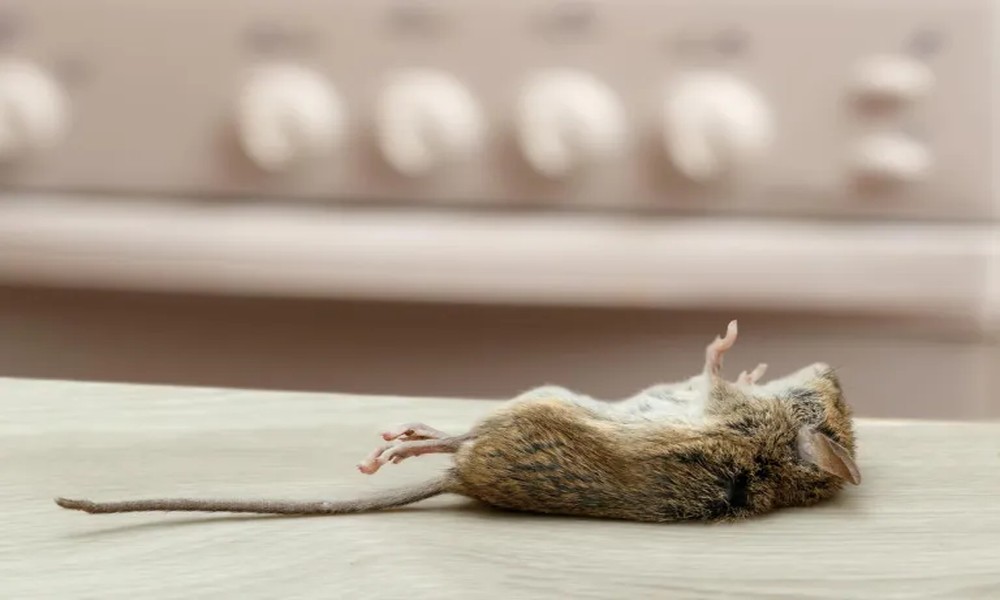

Few residential pest scenarios are as specifically miserable as a dead mouse somewhere inside a wall. The smell starts faint, builds over three or four days into something unmistakable, and then settles into a thick, sickly odor that saturates an entire room and sometimes an entire floor. The homeowner tears apart the obvious places, checks behind furniture and inside cabinets, and finds nothing. The smell continues for another week, intensifying, and every common air freshener, scented candle, and ventilation attempt produces no meaningful relief. Kansas City pest control companies that handle rodent cases routinely, including ZipZap Termite & Pest Control in Lawson, get versions of this call constantly, particularly in the weeks after homeowners set out bait or hire rodent work. Understanding the realistic timeline, the techniques that actually locate the carcass, and the products that actually neutralize the odor makes the difference between a two-week ordeal and a manageable situation.
Why This Happens So Often After Rodent Work
The timing of dead-mouse-in-wall calls clusters around two events: fall rodent entry (when mice move indoors and establish in wall voids), and recent rodent treatment (when bait exposure leads mice to retreat into shelter before dying).
Anticoagulant rodenticides work over several days. A mouse that consumes bait does not die immediately. The compound interferes with blood clotting, and death typically occurs three to seven days after a lethal dose. During that time, the mouse continues to travel back and forth between food sources and shelter, often shelter inside wall voids or attic insulation where it eventually dies. The homeowner does not find a body on the kitchen floor because the dying mouse sought a dark, hidden space to die.
The same biology applies to mice that die from other causes in wall voids: age, trauma, disease, or cold exposure in unheated spaces.
The Realistic Timeline for Odor Resolution
The most frustrating answer to the most common question: a small mouse in a well-ventilated wall void produces noticeable odor for about two to three weeks before the smell dissipates naturally. A larger rodent, a carcass in a damp or poorly ventilated space, or one in insulation that absorbs fluids can produce odor lasting four weeks or longer.
The process is decomposition. Odor intensity correlates with decomposition phase. The first few days after death produce mild odor. Days three through ten produce the peak smell as active decomposition and gas production reach maximum. After roughly two weeks, the carcass has begun to dry, and odor production decreases noticeably. By three to four weeks, most of the soft tissue has degraded and the odor is usually faint or gone.
Temperature matters. Cool wall temperatures slow decomposition and extend the odor timeline. Warm weather and heated interior walls accelerate both decomposition and odor production.
A homeowner who can confirm the carcass is a single small mouse in an interior wall of a heated home can often wait out the worst of the smell within about two weeks. Anything larger, anything in a crawl space or attic, or anything in cold unheated space extends the timeline significantly.
How to Actually Locate a Carcass
Several techniques help identify the specific location before wall opening becomes necessary.
Scent intensity mapping. Walk the affected room slowly with a pause at each wall, checking for where the odor is strongest. The highest concentration is usually within a foot or two of the actual location. Drop to floor level and repeat along the baseboards, where odor often pools. Check outlet and switch plate covers individually; the gaps around electrical boxes frequently release more odor than solid wall sections.
Fly activity. Small flies (phorid flies, sometimes called coffin flies) are attracted to carcass decomposition and will gather near any small gap in drywall near the source. A handful of small flies appearing inside a room within days of the smell starting is often the most reliable specific-location indicator available.
Thermal imaging. Professional thermal imaging cameras detect temperature anomalies produced by decomposition activity (which generates heat) or by the carcass’s position disrupting normal wall temperature patterns. A Kansas City pest control provider or an inspector with thermal imaging equipment can often pinpoint the location in a single visit.
Acoustic or borescope inspection. In some cases, a small inspection hole drilled in a location suggested by scent and fly activity allows a borescope camera to confirm the carcass location before larger opening becomes necessary.
Pattern recognition from rodent travel. The location of the carcass is usually along known rodent travel corridors in the home. The space above dropped ceilings, the cavity behind kitchen cabinets, the void near a water heater or furnace, the wall above a garage threshold, and attic spaces near rafter ends are all common death sites that correspond to the shelter rodents use during their active phase.
Odor Neutralization Products That Actually Work
The air fresheners, scented candles, plug-in warmers, and spray deodorizers sold for household odor control are essentially useless against decomposition odor. They mask for a short time and often produce an unpleasant composite smell rather than actual reduction.
Several product categories actually reduce the odor at its source.
Enzymatic cleaners (Nature’s Miracle, Anti-Icky-Poo, and similar products designed for pet-waste odor) work by biologically breaking down the organic compounds producing the smell. Applied directly to the affected area (through an access hole, into insulation, or on fabric that has absorbed odor), they reduce the smell at its chemical source rather than covering it.
Activated carbon absorbs airborne odor molecules. Commercial carbon-based odor absorbers (sold under names like Bad Air Sponge, Smelleze, and Moso) placed in the affected room reduce ambient smell noticeably. Industrial-grade activated carbon in larger containers works even better for severe situations.
Zeolite minerals work similarly to activated carbon and are often sold in products marketed for pet odor and smoke damage.
Ozone generators eliminate odor chemically but should only be run in unoccupied spaces with proper ventilation before re-entry. Ozone is effective on residual odor but does not address an ongoing active carcass.
Air purifiers with HEPA-plus-carbon filters provide ambient reduction but do not substitute for source treatment.
When Wall Opening Is the Only Remaining Option
A few situations move wall opening from last resort to reasonable next step.
Odor that has persisted beyond four weeks without significant reduction usually indicates either a larger carcass than a single mouse (multiple rodents, or a larger species like a rat or squirrel), or a location where decomposition is proceeding slowly (a cold void, saturated insulation, or a trapped location with limited air flow).
Situations where the affected room is essential (primary bedroom, home office, kitchen) and waiting out the odor is not practical.
Properties being prepared for sale, listed, or shown, where even a resolving odor can affect marketability and buyer perception.
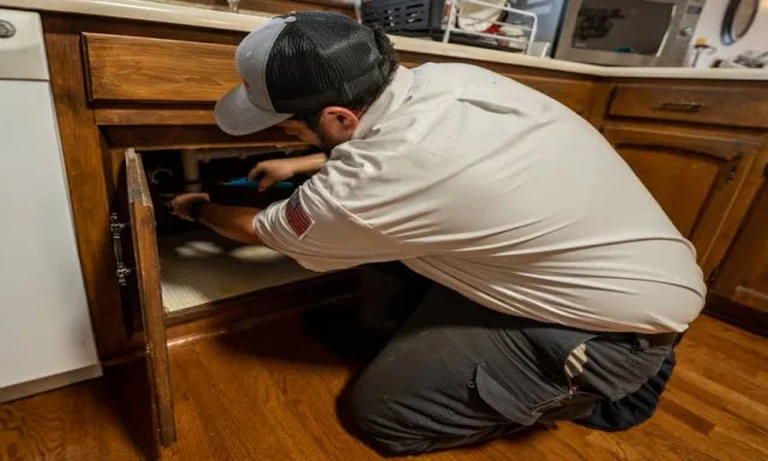
A Kansas City pest control provider with experience in rodent carcass location, such as ZipZap Termite & Pest Control, can coordinate the opening in the most likely specific location identified through inspection, minimizing the drywall repair required. The work often involves a 4-to-6-inch access hole cut at the exact location, removal of the carcass and surrounding contaminated insulation, enzymatic treatment of the void, and straightforward drywall patching.
The Short Version
A dead mouse in a wall produces intense odor for two to three weeks before dissipating naturally. Scent mapping, fly activity near drywall gaps, and thermal imaging help locate the specific source before wall opening. Enzymatic cleaners, activated carbon, and zeolite products reduce odor meaningfully; air fresheners and candles do not. For homeowners who cannot wait out the timeline, a Kansas City pest control provider such as ZipZap Termite & Pest Control can locate the carcass, coordinate targeted wall access, and handle the removal and remediation that returns the space to normal.