
Every homeowner hopes a roofing problem can be solved with a simple repair. A few shingles replaced, a small leak fixed, and life moves on. Sometimes that works perfectly. Other times, though, continuing to patch an aging roof becomes more expensive and frustrating because the issue has deteriorated beyond repair. That is why knowing when repairs are no longer the right option can save money, reduce stress, and protect your home from future damage.
If you have been weighing the pros and cons of roof replacement, it helps to look beyond the immediate cost. In Kalamazoo, Worthy Construction works with homeowners who are trying to determine whether ongoing repairs still make sense or if a new roofing system would provide better long-term value. The best solution often comes down to how old the roof is, how much damage it has sustained, and whether the existing system can still provide reliable protection.
1. Consider the Age of Your Roof
A roof does not last forever. Even high-quality roofing materials eventually wear down after years of exposure to sun, rain, wind, snow, and ice.
As roofs age, homeowners may notice:
- Curling or cracked shingles
- Granule loss
- Repeated leaks
- Increased repair frequency
- Visible signs of deterioration
When multiple age-related issues start appearing at the same time, replacing the entire system may be more practical than continually repairing isolated areas.
2. Repairs Keep Adding Up
One repair bill is rarely a concern. Five repair bills over a short period can be a different story.
If you find yourself calling for roofing service every year, it may be worth stepping back and looking at the bigger picture. Small repairs can add up surprisingly fast, especially when hidden issues continue developing beneath the surface.
A replacement often provides:
- More predictable long-term costs
- Fewer unexpected repairs
- Improved protection against weather
- Greater peace of mind
Sometimes homeowners are surprised by how much money they have already invested in temporary fixes.
3. Widespread Damage Changes the Equation
Localized damage is usually repairable. Extensive damage is another matter.
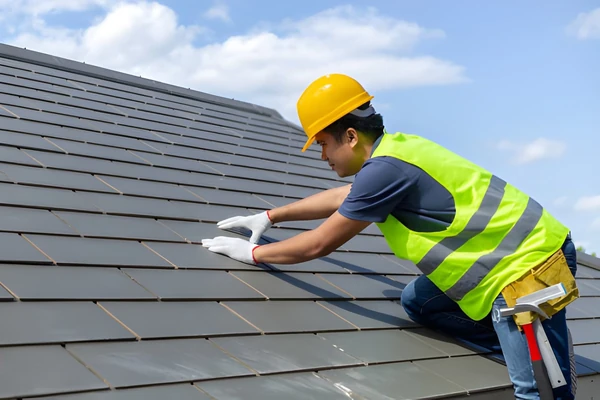
Common examples include:
When damage affects a substantial portion of the roof, repairs may only address symptoms instead of solving the underlying problem.
4. Energy Efficiency and Home Value Matter Too
An older roof can contribute to ventilation and moisture issues that impact overall home performance. New roofing systems often include updated materials, improved ventilation components, and better protection against the elements.
For homeowners planning to stay in their homes for years, a new roof can be a valuable investment. Those considering a future sale may also appreciate the added curb appeal and buyer confidence that comes with a newer roofing system.
Final Thoughts
Not every roofing problem requires a complete replacement. Still, there comes a point when repeated repairs become less practical than starting fresh. If your roof is aging, experiencing ongoing problems, or showing widespread damage, replacing it may ultimately be the more cost-effective and reliable solution. Taking action before major problems develop can help protect your home and eliminate many future headaches.