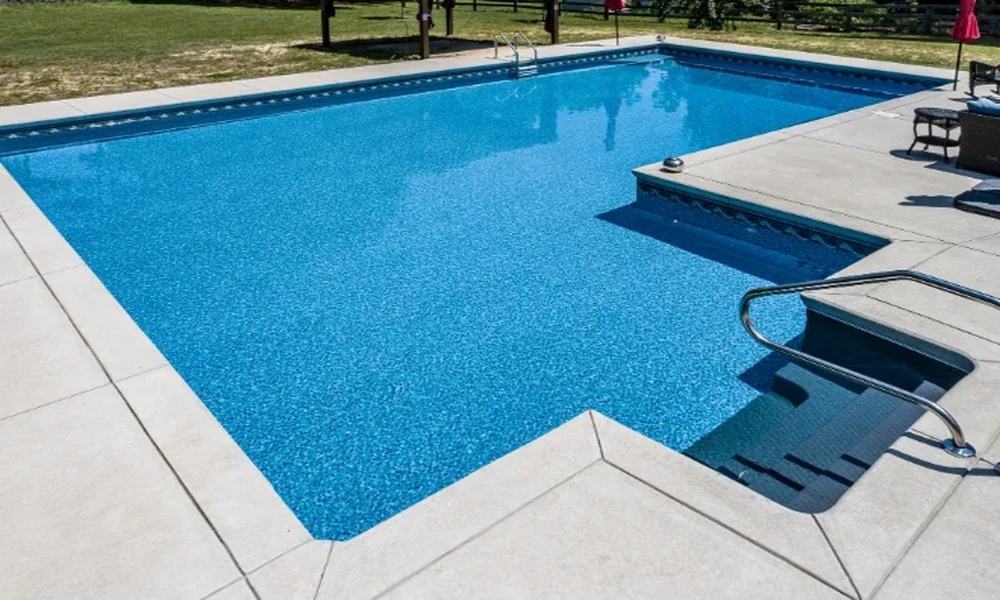

Before replacing a metal pool ladder with a non-conductive alternative, have the proposed change assessed by a Licensed Electrical Contractor. The existing component may have a role in the pool’s water bonding that is not apparent from its appearance. Treat the replacement as more than a cosmetic choice, and do not remove the ladder first to find out whether anything changes.
This is not a reason to assume every metal ladder has the same electrical function. It is a reason to establish the answer for the actual installation. A product that looks like entry hardware can participate in a system the homeowner cannot judge by looking at the finished pool.
The old ladder may have a role you cannot see
The Electrical Safety Authority’s October 2026 pool-water bonding bulletin describes an incident in which a steel ladder was replaced with a fibreglass one. Swimmers subsequently reported shocks. The steel ladder had provided the water’s bonding connection, and removing it left that connection ineffective. The change concerned more than the replacement ladder’s usefulness as a ladder.
In broad terms, bonding addresses differences in electrical potential between conductive parts and the water. The technical assessment and method belong with the qualified electrical professional. The owner’s important insight is that a component can have an electrical relationship without looking like a powered device.
The appearance of the old arrangement is therefore an incomplete guide. An owner might be tired of a metal finish or prefer another style of entry. Those preferences are legitimate subjects for a renovation, but they do not establish which functions the existing installation depends on. A material substitution deserves review before it happens.
Nor does normal-looking equipment operation settle the matter. A pump running or a light illuminating is not a household test of the entire bonding arrangement. Do not ask someone to enter the water, touch a rail or repeat a sensation to demonstrate that the pool is safe after a change.
The documented incident should be understood as a warning about a possible overlooked dependency, rather than a diagnosis of every pool with a fibreglass ladder. The appropriate response is an assessment of the specific installation. It is not to replace a component with metal on the assumption that material alone restores everything required.
Keep that distinction in view while shopping. Product suitability and installation suitability must both be addressed. A retailer’s description of a new ladder cannot establish what electrical role the old one played at your property, particularly where the existing pool has changed over time.
Discuss the material change before removing the component
Begin the professional conversation with the proposed substitution itself: this metal component would be removed, and this alternative is being considered. If the exact replacement is not yet selected, say so. The electrical contractor needs the actual intended change rather than a broad statement that the pool will receive a refresh.
Provide any existing installation records you already hold and identify known past changes. Do not detach a component, open electrical enclosures or expose connections to make the information more complete. A gap in the records is something for the professional to investigate safely, not something the homeowner must fill through dismantling.
A renovation enquiry to Jameson’s pool-service department can name the contemplated ladder replacement and the need to coordinate it with an electrical assessment. Keep the hardware work and qualified electrical role explicit when arranging the project. Approval to change a visible pool component should not leave its possible bonding consequence outside the conversation.
ESA’s discussion of pool and hot-tub electrical requirements explains why water bonding is receiving specific attention. Use that context to understand the assessment’s purpose. It does not turn a homeowner into the person responsible for choosing or installing the bonding method.
If the proposal changes while the work is being organised, make the revised component known before removal. A different material or entry arrangement should not be treated as an equivalent substitution merely because it occupies the same place. The professionals need to consider the change that will actually occur.
Agree when the pool will be unavailable and who confirms the completed work is ready for use. Do not squeeze a swim between removal and assessment because the ladder itself appears to be the only unfinished item. An incomplete relationship may be less visible than an unfinished patio, but appearance is not the deciding test.
Keep the conclusion of the assessment with the renovation information provided to the owner. Future service should not depend on someone remembering a casual conversation about why the old metal ladder stayed in place or what was done when it left. A clear record gives the next qualified professional a better starting point.
A tingling report changes the job immediately
If anyone reports tingling or an electric shock in or around the pool, stop use and keep people away. Seek urgent qualified assistance, and emergency help where someone is injured or in immediate danger. Do not dismiss a mild sensation as an acceptable feature of pool ownership or encourage another person to see whether they notice it too.
Tell the professional about recent changes, including work that seemed cosmetic. The date a ladder, handrail or other component changed may be relevant information. Report what happened without deciding that it proves the replacement was the cause; the investigation must address the actual installation and hazard.
A photograph of the finished replacement may help explain which component is involved if it can be taken safely from outside the affected area. It cannot prove the electrical arrangement is adequate. There should be no further contact test, improvised reconnection or repeated swimming trial while the concern is unresolved.
For a planned replacement, the useful finish line is a reviewed installation with the intended component and the water-bonding requirements addressed by the responsible professionals. The ladder can then be judged for its intended use and appearance. Do not let its new finish become the only part of the change anyone has checked.