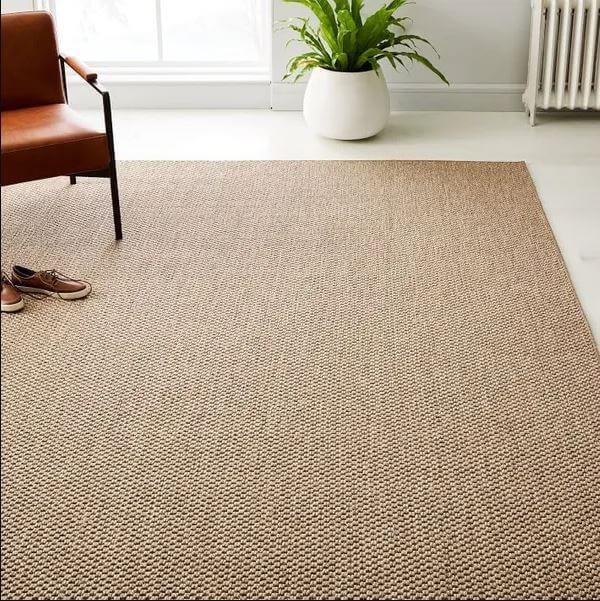

Sisal carpets have become a favourite choice in modern homes because of their natural beauty, eco-friendly appeal, and long-lasting durability. However, if you live in a humid climate—like coastal regions, tropical areas, or places with heavy monsoons—maintaining sisal carpets requires a bit of extra care. Since sisal is an organic fibre made from the agave plant, it reacts quickly to moisture. Too much humidity can cause swelling, stains, mould growth, or even an unpleasant smell. But the good news is that with the right techniques, you can keep your sisal carpets fresh, clean, and looking beautiful for many years. In this blog, we will explore expert-approved methods to protect your sisal carpets from humidity and extend their lifespan.
Understanding Why Humidity Affects Sisal Carpets
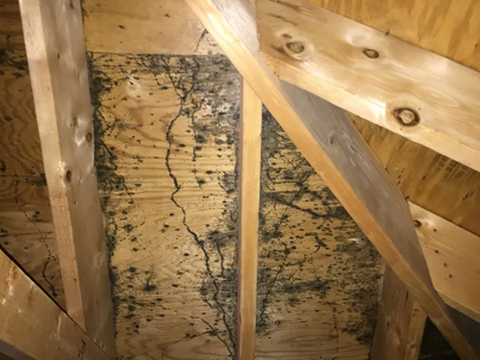
Sisal is a natural, absorbent fibre. This is what makes it strong and durable, but it also means the fibres can soak up moisture from the air. In humid climates, even indoor moisture levels can fluctuate. When sisal takes in humidity, the fibres expand, become softer, and may develop waves or wrinkles. If the moisture stays trapped inside the carpet, it can lead to mould or mildew. Unlike synthetic carpets, sisal cannot be cleaned with water because wet cleaning makes the fibres break down. This is why maintaining proper airflow, moisture control, and cleaning routines is essential.
Control Indoor Humidity Levels
The number one rule for maintaining sisal carpets in humid climates is managing moisture indoors. Using a dehumidifier during monsoons or humid seasons helps reduce excess dampness in the air. If your room has an air conditioner, that also naturally lowers humidity. Keep your home’s relative humidity level around 50% to 55%, which is ideal for natural fibre carpets. Also, ensure proper ventilation by opening windows during dry hours. Good airflow prevents moisture from settling into the carpet and stops mould from forming.
Vacuum Regularly to Avoid Dirt Build-Up
Sisal carpets do not trap dust like wool or synthetic carpets, but they do collect surface dirt that can turn into stains when mixed with humidity. Vacuuming at least two to three times a week helps remove dust, allergens, and dirt particles before they embed into the fibres. Use a vacuum with a strong suction head, but avoid a beater brush, as it can fray the fibres. Regular vacuuming not only keeps the surface looking clean but also prevents micro-particles from damaging the weave when humidity softens the fibres.
Use a Dry Cleaning Powder Instead of Water
Water is the enemy of sisal carpets, especially in humid climates. If a spill occurs, never pour water or use a wet cloth to clean it. Instead, use a dry carpet cleaning powder specifically made for natural fibre carpets. Sprinkle the powder over the stained area, gently brush it in with a soft-bristle brush, and let it sit for a few hours. The powder absorbs the spill and lifts the stain naturally. Vacuum the area thoroughly afterwards. This method keeps the carpet dry while removing odours and stains effectively.
Place Protective Mats in High-Moisture Areas
If your sisal carpet is placed near the entrance, balcony, kitchen, or any area where moisture is common, consider using protective mats or rugs on top. A simple cotton or rubber-backed mat can absorb moisture from wet shoes or spills, keeping the sisal carpet safe. You can also use coir doormats at entry points to stop dirt and dampness from entering the home.
Rotate the Carpet Regularly
Humid climates can cause uneven fading or warping, especially if one part of the carpet gets more airflow or sunlight than the other. Rotating your sisal carpet every two to three months ensures even exposure and prevents one area from wearing out faster than the rest. This simple step adds years to the carpet’s life and maintains its appearance.
Address Spills Immediately — Speed Matters
If a spill happens, act quickly. Blot the liquid using a clean, dry cloth. Never rub, as rubbing spreads the moisture deeper into the fibres. For oil-based spills, sprinkle dry cleaning powder or baking soda to absorb the liquid. For general spills, use a clean white towel to soak up as much moisture as possible. The goal is to remove the liquid before humidity affects the fibres.
Prevent Mould with Natural Deodorizers
Humidity can create a breeding ground for mould and mildew. To prevent this, sprinkle baking soda occasionally over the carpet, let it sit overnight, and vacuum it the next morning. Baking soda acts as a natural deodorizer and moisture absorber. Additionally, ensure that the room where your sisal carpet is placed has enough ventilation or sunlight during the day.
Use Furniture Pads to Prevent Marks
In humid climates, furniture legs can cause dents that take longer to recover because sisal fibres become softer when moist. Use felt pads or rubber protectors under heavy furniture to distribute the pressure evenly. This helps the carpet maintain its shape and prevents long-term marks.
Get Professional Dry Cleaning Once a Year
For deep maintenance, get your sisal carpet professionally dry cleaned once every 12 to 18 months. Professional cleaners use dry extraction methods that clean the carpet thoroughly without any risk of moisture damage. This adds freshness, removes odours, and increases the lifespan of the carpet significantly.
Conclusion
Maintaining sisal carpets Dubai in humid climates may seem challenging, but with the right routine, you can keep them looking elegant and fresh for many years. By controlling humidity, vacuuming regularly, using dry cleaning methods, and preventing moisture exposure, you protect the natural fibres from damage. Sisal carpets bring warmth, style, and sustainability to your home — and with proper care, they can remain a long-lasting investment.