
If an appliance behaves differently after being moved, describe the sequence before deciding what caused the problem. Record its last known normal use, who handled the move and what connection or installation work followed. Leave uncertain causes open for assessment. The fact that one event followed another is important context, but it does not identify the repair required.
A move can mean changing homes or shifting a machine during work in the same room. Either way, the household may be tired, the room may still be disorganised, and a fault can quickly become an argument about responsibility. A factual account helps everyone work from the same information while the more immediate question is addressed: what is needed to restore proper function?
Start with what worked before the move
Identify the last ordinary use you can confirm. Perhaps the appliance completed a programme the previous evening, or perhaps it had been unused for some time before transport. Say which is true. Avoid describing it as perfect simply because you had not recently noticed a fault. That distinction matters if the person arranging service did not use the machine regularly.
Preserve any existing concern too. A sound, occasional interruption or damaged control that was present earlier should stay in the account even if it now seems secondary. Otherwise the move can become the assumed origin of every symptom. You are not weakening a claim by recording the history accurately; you are making the assessment less dependent on assumptions.
Next describe the first changed behaviour after the move. State what happened when the appliance was put into normal use, including any display message or visible issue. Do not repeatedly operate it to build a case. If there is a leak, damaged connection, smoke or another immediate concern, stop and seek appropriate help rather than continuing a demonstration.
A brief sequence is usually enough to begin: last known normal use, movement, connection work and first observed concern. Add dates or approximate times where you know them. Keep gaps explicit. A clear account with one unknown stage is more useful than a detailed narrative filled with confident guesses about actions you did not see.
Keep the connection work in the story
Moving an appliance and putting it back into service are separate events. Explain who handled each and whether any work remained incomplete when the fault appeared. A technician assessing the appliance should know if a connection has not been confirmed or if the surrounding room is still being worked on. This context helps establish which provider needs to assess which part of the situation.
Do not interpret this as a reason to check electrical, gas or water connections yourself. Use the appropriate qualified professional for uncertain connection or installation work, and follow the manufacturer’s instructions. The household’s role is to report the sequence and known condition. An apparently simple change can involve work outside ordinary owner care.
If the appliance was relocated within the room, mention changes to its setting without treating them as a diagnosis. A new enclosure, altered access or a different surrounding arrangement may be relevant to assessment. Provide photographs of the installation if requested and safe to take. Let the responsible professional decide whether a closer examination is necessary.
Retain the paperwork associated with the move and any subsequent work. It can identify the relevant dates, equipment and services involved. Keep those documents in their original form alongside your observations. Avoid editing an invoice or turning a private note into a statement that appears to have been confirmed by a contractor who has not reviewed it.
Resolve function before assigning a cause
A service enquiry should lead with the observed problem and then explain the move. Starting with a demanded replacement part or a firm accusation can obscure the information needed for diagnosis. Ask what assessment is appropriate and what the provider can document. A finding may establish a specific fault without establishing exactly when or how it arose.
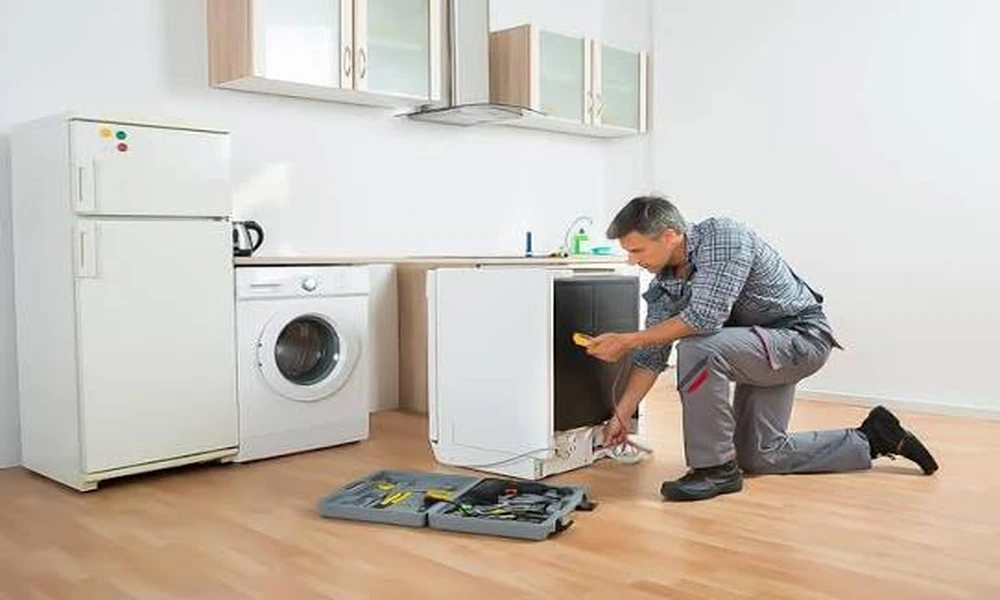
Suppose an Ottawa washer completed its last load before a move, was reconnected by a separate provider and then stopped during its first load in the new position. An enquiry to Capital Appliance Repair’s household appliance team should preserve all three stages. The diagnosis can address the present fault while leaving any unproven responsibility question open. That separation lets the machine be assessed without turning the service appointment into an argument about the move.
Keep approval for a repair distinct from any discussion about who should pay. The person authorising work needs to understand the quote and the process. If responsibility is disputed, seek the relevant written information and appropriate advice separately. An urgent need for laundry or cooking should not force the technician to make claims beyond what the assessment can support.
Be equally careful with the word damage. It may accurately describe a visible broken part, but it can also be used loosely to mean that the machine no longer behaves as expected. Describe what is actually visible or observed. Leave a technical cause or responsibility statement to evidence and the relevant process rather than allowing an imprecise label to carry both meanings.
Leave a useful record of the outcome
After assessment, retain the explanation of what was found, what work was completed and what remains unresolved. If the provider could not determine the cause of the change, preserve that limitation. An inconclusive finding should not become certainty as the story is retold to a mover, installer or another household member.
Once the appliance returns to use, describe any further concern in relation to the work that was actually done. A different symptom may need a different assessment. Keeping the original sequence and the outcome together helps distinguish a recurring complaint from something new, without reopening every assumption made during the disruption of the move.
The account is complete when it accurately shows the appliance’s condition and the action taken. It does not need an invented explanation for every unknown moment. With function restored and the findings preserved, the household can address any remaining administrative issue using evidence rather than the stress of the day the problem first appeared.