
Small rooms demand smart colour choices. In 2026, paint trends focus on calm tones, soft contrast, and finishes that stretch space without noise. The right colour changes how a room feels the moment you step inside. It adds light, balance, and comfort where space feels tight.
Soft Off-Whites That Never Look Flat
Pure white feels harsh in small rooms. Off-whites work better. Warm chalk whites, subtle stone shades, and creamy shells reflect light without glare. They soften edges and blur corners. Walls seem further apart. Ceilings feel higher. Look for whites with a hint of beige or grey. These shades suit north-facing rooms and low light. Pair them with crisp white woodwork for contrast. Keep the finish matte on walls to avoid shine that shows flaws.
Light Greys With Warm Undertones
Grey still holds ground in 2026, but cold tones fall away. Warm greys with taupe or mushroom notes take centre stage. They feel calm and modern. They suit bedrooms, box rooms, and home offices. Avoid dark greys in small spaces. Choose pale shades that bounce light. Use the same colour on walls and ceiling to erase hard lines. The room feels taller and wider without effort.
Muted Greens That Bring Balance
Soft greens work well in small rooms. Sage, olive mist, and pale eucalyptus lead the trend. These shades calm the eye and ground the space. They suit rooms with little natural light and rooms that face busy streets. Green pairs well with light wood and brass accents. Keep floors neutral. Let the walls do the work. A single shade across all surfaces keeps the room steady and open.
Warm Beiges and Modern Neutrals
Beige returns with purpose. In 2026, it feels clean, not dull. Think oat, linen, and sand. These colours wrap small rooms in warmth. They suit living rooms and dining spaces where comfort matters. Use beige where grey feels cold. Add texture through fabric and lighting, not colour. The space stays open and calm.
Soft Blues That Stretch the Space
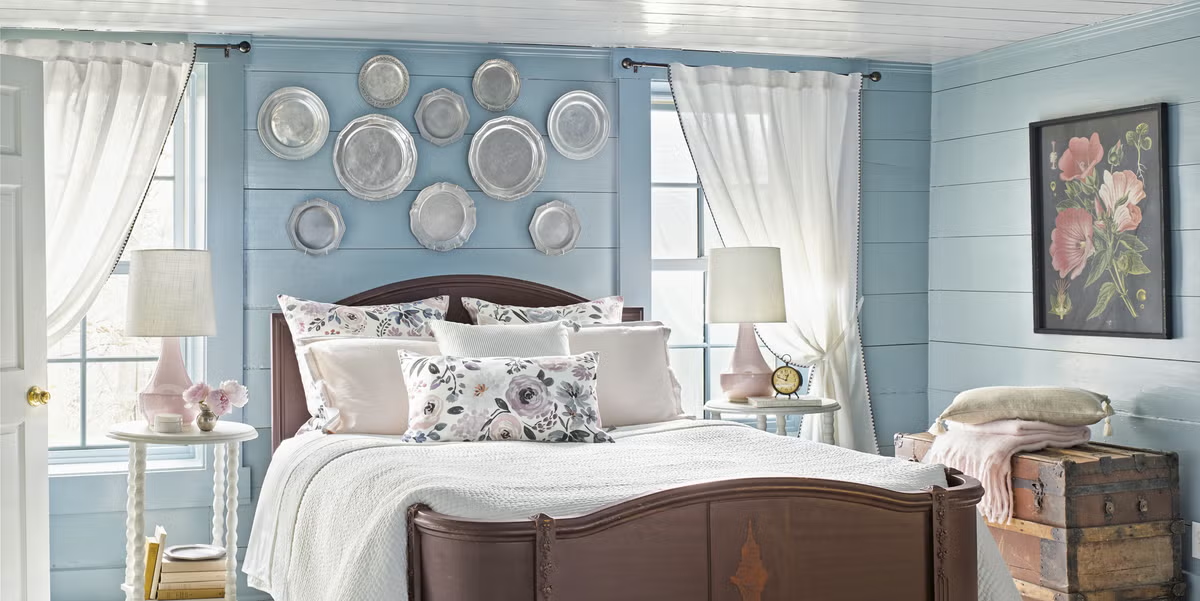
Pale blues still shine in small rooms when used with care. Powder blue, misty sky, and blue-grey tones lift the walls without closing them in. They suit bathrooms and narrow bedrooms. Avoid strong blue. Keep it light. Pair with white fittings and mirrors to double the sense of space. Gloss on woodwork adds light without crowding the room.
Using One Colour From Floor to Ceiling
Colour blocking fades. Single-colour rooms take over. Painting walls, ceiling, and trim in one shade removes visual breaks. The eye flows without stopping. Small rooms gain height and width. Choose light tones only. Keep finishes varied. Matt walls with satin woodwork add depth without contrast.
Accent Colours Used With Control
Small rooms still allow accent colour, but use restraint. One wall only. Soft clay, dusty rose, or muted terracotta add warmth without closing the space. Place the accent wall behind a bed or sofa. Keep the rest of the room light. Balance matters.
Lighting Changes Everything
Paint colour shifts under light. Test shades at different times of day. Use warm bulbs to soften cool tones. Use layered lighting to avoid harsh shadows that shrink space. Good lighting supports good colour.
Professional Finish Makes the Difference
Even the best colour fails with poor application. Clean lines, smooth surfaces, and the right finish matter more in small rooms. This stage suits a skilled painter and decorator who understands light, proportion, and detail.
Final Thoughts on Colour for Small Rooms
In 2026, small rooms favour calm shades, gentle warmth, and simple flow. Light colours lead. Soft tones win. When colour works with light and layout, space feels easy and open.