

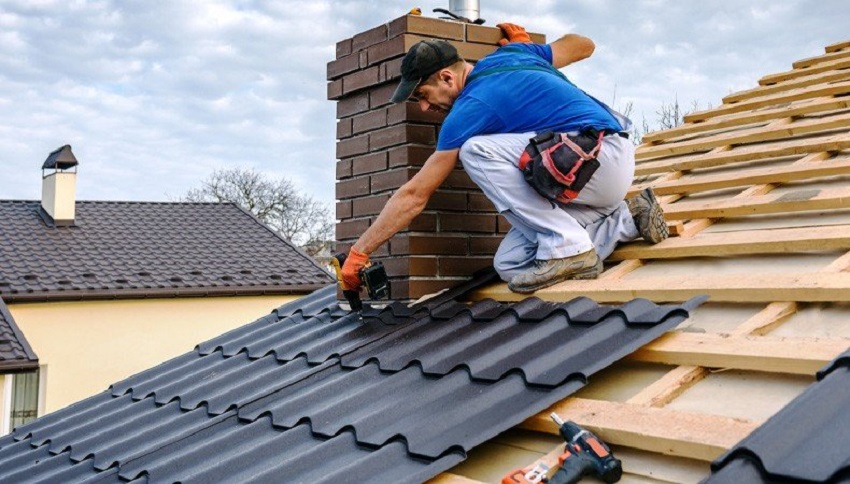
Understanding the Westfall Roofing Experience
What Sets Westfall Roofing Apart from the Competition?
Westfall Roofing has cultivated a reputation in the roofing industry that transcends mere service delivery. It is built on a foundation of integrity, unparalleled craftsmanship, and a staunch commitment to customer satisfaction. One of the key differentiators is their approach to transparency; clients are kept informed throughout each phase of the project, fostering a sense of trust and collaboration. Unlike many competitors who may rush through the consultation phase, Westfall takes the time to understand each homeowner’s unique requirements, preferences, and budget constraints. Their tailored solutions ensure that every roof installed is not merely a commodity but a customized structure serving the specific needs of the home.
Moreover, Westfall Roofing prides itself on the quality of materials sourced from reputable suppliers. This dedication to excellence means that clients aren’t just receiving a roof; they are investing in a long-lasting asset that enhances the overall value of their property. The team’s expert knowledge of building codes and regulations ensures compliance and safety, while a meticulous focus on detail guarantees that every installation is seamless, aesthetically pleasing, and durable. These qualities make Westfall Roofing a standout choice for homeowners seeking reliable roofing solutions.
Customer Testimonials: Real Stories of Quality
Customer testimonials play a crucial role in understanding the tangible benefits of choosing Westfall Roofing. A plethora of satisfied clients have shared their experiences, illustrating the company’s steadfast dedication to quality and service. Many clients have remarked on the professionalism exhibited by the staff, from the initial consultation to the final walk-through after installation. One client recounted how the Westfall team turned what could have been a stressful home renovation into a smooth process marked by clear communication and timely updates.
Others have praised the craftsmanship and care that went into their roofing projects. A homeowner noted that after a severe storm, their roof remained intact, thanks to the high-quality materials and meticulous installation practices employed by Westfall Roofing. Such testimonials not only highlight the effectiveness of the service provided but also reinforce the company’s commitment to ensuring peace of mind for homeowners. The lasting impressions created by these experiences speak volumes about the quality and reliability that Westfall Roofing stands for.
The Art and Science of Roofing Materials
A Deep Dive Into the Different Types of Roofing Materials
The selection of roofing materials can be likened to an art form, as it requires an understanding of both aesthetics and functionality. Various types of roofing materials are available today, each offering unique benefits and drawbacks. Asphalt shingles, for example, are among the most popular roofing materials due to their affordability and ease of installation. They come in a variety of colors and styles, allowing homeowners to customize their roofs to match their home’s exterior. Alternatively, metal roofing has gained traction in recent years due to its longevity and energy efficiency. Metal roofs can withstand severe weather conditions and can be made from recycled materials, making them an eco-friendly option as well.
Then there are tiles and slates, often associated with higher-end homes. These materials are renowned for their stunning appearance and durability. Clay and concrete tiles are fire-resistant and can endure harsh climatic conditions, while slate offers a sophisticated, timeless look. However, these materials come with higher upfront costs and require specialized installation, making it crucial for homeowners to weigh the pros and cons carefully. Synthetic materials, such as rubber and plastic composites, have also emerged as alternatives, designed to mimic the aesthetic appeal of traditional materials while offering enhanced resilience and lower maintenance requirements. Understanding each material’s attributes will empower homeowners to make informed decisions tailored to their specific needs.
Choosing the Right Material: Factors to Consider
Selecting the right roofing material involves a careful analysis of several key factors. Climate plays a pivotal role; regions prone to heavy snowfall or extreme temperatures may benefit from durable options such as metal or tile, which can withstand such conditions. Conversely, in areas where the weather is moderate, lighter materials like asphalt shingles may suffice, offering adequate protection without excessive weight. The pitch of the roof also influences material selection. Steeper roofs can sometimes accommodate heavier materials that might be impractical for shallower slopes.
Additionally, homeowners must consider the architectural style of their property. Different roofing materials complement various aesthetics, and selecting the right one can enhance curb appeal. For instance, a rustic wooden shake roof may perfectly align with a log cabin style, while a sleek metal roof might offer a modern touch. Furthermore, budget constraints are always a factor. While investing in high-quality materials may require a larger initial outlay, it often translates into long-term savings through fewer repairs and greater energy efficiency. Ultimately, selecting the ideal roofing material is a multifaceted decision that deserves thorough research and consideration.
Navigating the Roofing Process: What to Expect
From Consultation to Installation: A Step-by-Step Journey
The roofing process can seem daunting, especially for first-time homeowners. However, Westfall Roofing has perfected a streamlined approach that demystifies each step. The journey typically begins with an initial consultation, wherein homeowners meet with a roofing expert to discuss their needs, preferences, and budget. During this phase, the consultant will conduct a thorough inspection of the existing roof to identify any immediate issues that need addressing, thus providing a comprehensive overview of the project’s scope.
Following the consultation, a detailed proposal will be presented, outlining the project timeline, material choices, and a transparent cost estimate. Once approved, the project moves into the planning stage, where permits are secured, and the necessary resources are allocated. Communication is key at this stage, and clients will be kept informed as the installation date approaches. On the appointed day, the Westfall team will arrive with the required tools and materials, prepared to begin the installation process efficiently and professionally.
Installation itself typically follows a systematic process, involving the removal of the old roof materials (if applicable), preparation of the roof deck, and successful application of the new roofing material. Each stage of installation is meticulously performed, with the utmost attention to safety and detail. Finally, once the roof is installed, a thorough inspection ensures everything is up to Westfall standards before the site is cleaned up. This structured approach guarantees a seamless experience for homeowners, who can rest assured their roofing needs are being addressed with skill and care.
Common Roofing Myths Debunked: Separating Fact from Fiction
Misconceptions about roofing can lead to poor decision-making and costly mistakes. One prevalent myth is that a new roof can be installed over the existing roof to save time and money. While this may seem like an attractive option, it is generally not advisable. Installing a new roof over an old one can create structural issues, trap moisture, and mask underlying problems that require attention. Additionally, it could potentially void warranties on the new materials.
Another common myth pertains to the belief that all roofing materials are created equal. In reality, materials vary significantly in quality, durability, and life expectancy. Homeowners should be wary of low-cost options that might compromise the integrity of their home in the long run. The perception that homeowners can perform roofing work without professional help might also lead to dangerous situations. Roof installation requires precise knowledge, skills, and access to safety equipment—all of which professionals possess. Engaging a reputable roofing company ensures that the job is done right and safely, protecting both the property and those who live in it.
Maintaining Your Roof: Tips for Longevity
Seasonal Roof Maintenance: Preparing for Any Weather
Maintaining a roof is akin to performing regular health check-ups; it ensures longevity and helps avoid costly repairs down the line. Each season presents its unique challenges, and proactive maintenance can significantly extend the life of a roof. Seasonal inspections are critical; homeowners should examine their roofs after heavy rains, snowfalls, or hailstorms to identify and address any potential damage early. Removing debris, such as leaves and branches, not only helps prevent the growth of mold and algae but also helps maintain proper water drainage.
During autumn, for instance, it’s vital to clean gutters and downspouts to ensure they’re free of blockages that could cause water to pool on the roof, leading to leaks or structural damage. Similarly, in winter, assessing the roof for ice dams is crucial. These occur when melting snow refreezes near the roof’s edge, causing water to back up and leak into the home. Installing heat cables can mitigate this issue. Spring is the perfect time for a thorough inspection, as it allows for any necessary repairs to be completed before summer storms hit. By engaging in regular seasonal maintenance, homeowners can not only preserve their roof’s integrity but also enhance the overall safety and longevity of their home.
Signs Your Roof Needs Attention: Staying Ahead of Problems
Recognizing the signs that a roof needs repair can save homeowners from facing severe issues down the road. One of the most apparent indicators is the presence of leaks. If water stains are visible on ceilings, walls, or in the attic, it’s likely that the roof is compromised. Additionally, curling, buckling, or missing shingles can signal that the roof is nearing the end of its lifespan and requires assessment.
Check the attic regularly for signs of moisture or sunlight penetrating through, as these can indicate damage that may not be visible from the exterior. Furthermore, if granules from shingles are accumulating in gutters or if there is an increase in energy bills, the roof may not be providing adequate insulation or protection anymore. Timely interventions can prevent minor problems from escalating into major repairs, helping homeowners protect their investment. By staying vigilant and proactive, it’s possible to maintain the roof in top condition for many years to come.