

Interior designers in Singapore personalise homes by weaving homeowners’ daily rhythms, cultural roots, and emotional needs into functional and aesthetic design choices.
They do this through deep consultation, lifestyle-driven layouts, and bespoke elements that align with how families live, gather, and dream.
This matters because in Singapore, where homes are often compact and life is fast-paced, design is not only about aesthetics. It’s about creating sanctuaries that support wellbeing, connection, and identity.
A personalised home becomes a canvas for self-expression, where every detail reflects how
If you are considering working with an interior designer, the best way forward is to find one who understands both your style preferences, your rituals, aspirations, and the story you want your home to tell.
Below, we will explore exactly how Singapore’s interior designers achieve this, with insights, examples, and practical tips.
Why Personalisation Matters in Singapore Homes
Step into any two HDB flats with the same floor plan and you will quickly see how different they can feel.
One might feel sterile, like a showroom. The other, warm, welcoming, and alive with personality. The difference lies in personalisation.
In a dense, fast-moving city like Singapore, where homes double as workspaces, social hubs, and family sanctuaries, personalised interior design has become essential.
Personalized interior design ensures the following:
- Ease in daily life: The kitchen flows with how you cook. The living room accommodates both Netflix nights and Lunar New Year gatherings.
- Efficient use of space: With small apartments, clever storage and layouts can make homes feel twice as big.
- Emotional resonance: Cultural touches, personal artefacts, and custom finishes bring a sense of belonging.
At its heart, personalised design is about crafting homes that feel like extensions of their owners, spaces that nourish, rather than drain, energy.
Listening First: How Designers Understand Homeowners
Good interior designers in Singapore don’t start with catalogues of furniture. They start with curiosity.
In Singapore, consultations often feel like conversations with a trusted friend. Designers ask: How do you spend your mornings? Do you host dinner parties? Do you need a quiet space to recharge? Some firms even map out routines or observe how families use their current homes before sketching a single idea.
They also use tools like mood boards, Pinterest collections, interior design ideas and gallery and 3D renders to help homeowners visualise possibilities. This is not only about colour palettes, but aligning the design with rituals, hobbies, and values.
For example, a homeowner who starts each day with yoga might need a sunlit corner with natural flooring.
A family that loves cooking together might need a larger kitchen island, even if it means reducing living room space. In this way, design becomes a translation of life into form.
Lifestyle-Driven Choices: Designing for Different Needs
Every lifestyle calls for a different design approach. Interior designers in Singapore excel at tailoring spaces to life stages and rhythms.
- For young professionals: Open layouts with clean lines and tech integration. Think app-controlled lighting, modular furniture, and multipurpose work-dining spaces.
- For families: Durable finishes, storage hidden in staircases or walls, and playful yet safe zones for children. A play area today may become a study nook tomorrow.
- For couples or empty nesters: Minimalist luxury, with muted tones, curated art, and private nooks for relaxation or reading. Often, these homes reflect a shift from busy family life to spaces of quiet retreat.
Here, personalisation is not only practical, it is symbolic. It marks life transitions, supports changing needs, and celebrates individuality.
Culture and Local Influences in Singapore Homes
One of Singapore’s design superpowers lies in its cultural diversity. Designers here don’t just borrow from global trends but reinterpret them through local stories.
A Peranakan-inspired apartment might feature vibrant, patterned tiles and handcrafted wooden cabinetry, bringing heritage into a modern setting.
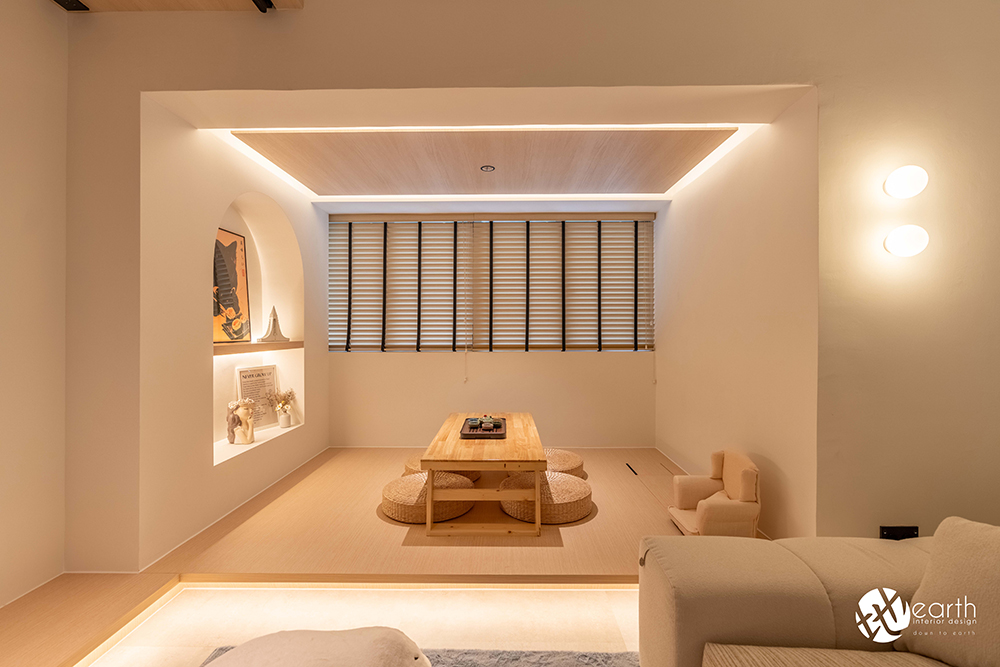
A Japanese-minimalist condo might emphasise clean lines, bamboo textures, and soft natural light.
A luxury penthouse could fuse European sophistication with tropical greenery and indoor gardens.
Each design choice honours the balance Singapore itself embodies: heritage and innovation, tradition and modernity, rootedness and global vision.
Stories in Design: Real-Life Examples
Consider these three homes:
- The Artist’s Loft in Tiong Bahru
A painter’s HDB flat was reimagined into both a sanctuary and a studio. Gallery-style lighting illuminated her work, while custom easel storage blended seamlessly into the decor. The home became a place where creativity and living flowed together. - A Family Haven in Pasir Ris
A family of five needed not just a house but a hub. Designers carved out hidden storage to reduce clutter, created flexible play zones, and expanded the dining area to honour the family’s tradition of nightly meals. The result: a space that celebrated connection. - Luxury Minimalism in Orchard
For a couple seeking calm, designers created a palette of muted tones, softened with wood and stone. A small indoor zen garden became the heart of their home, a sacred corner for meditation and stillness amidst the city’s noise.
Each story highlights a truth: personalisation is never about decoration but about embodiment.
Technology as a Partner in Personalisation
Technology is quietly reshaping how interior designers in Singapore personalise homes.
Virtual reality walkthroughs allow homeowners to “step inside” their new space before any work begins.
AI-driven software suggests furniture arrangements based on daily habits. Smart storage solutions, like motorised wardrobe lifts or modular cabinetry, make small spaces feel bigger.
And with home automation, lighting, music, and even climate can be set to match the rhythms of your day.
Far from being cold or clinical, technology here enhances intimacy. It helps designers create spaces that respond to life in real time, making the home feel like an extension of the homeowner’s body and mind.
Tips for Homeowners: Preparing for Personalisation
If you are thinking of hiring interior designers in Singapore, remember that personalisation is a partnership.
The following is how to prepare:
- Define your rituals– Write down the routines that matter most, from morning meditation to weekend family dinners.
- Collect inspiration– Save images, colours, or textures that spark joy. Even a travel photo can inspire a room’s palette.
- Set priorities– Decide where to invest, kitchens and bedrooms often bring the highest value.
- Ask meaningful questions– Beyond costs, ask about durability, maintenance, and how designs adapt to future changes.
- Stay open– Designers often uncover needs you did not realise you had.
Approach it like storytelling; you bring the plot, and the designer helps shape the setting. If you are looking to renovation just your kitchen, be sure to look for a professional kitchen interior designer in Singapore such as Kitchenate.
Choosing the Right Interior Designer in Singapore
The right designer is beyond a contractor; they are a collaborator in your journey. When choosing, look for:
- A portfolio that resonates: Do their past projects reflect the style you aspire to?
- Specialisation: Some shine in HDB transformations, others in high-end condos.
- Good communication: The best designers listen deeply and explain clearly.
- Budget transparency: You should know what you are paying for and why before you begin.
Whether you choose a boutique studio for personal attention or a larger firm for comprehensive service, the right choice is the one that feels aligned with your vision and values.
Professional HDB interior design services in Singapore help transform your home into a sanctuary — practical in use, yet stylish and refined in look.
Conclusion
Personalised interior design in Singapore is less about following Pinterest trends and more about living with intention. It is about turning your home into a reflection of your identity, your culture, and your dreams.
Through empathy, cultural fluency, lifestyle mapping, and the subtle use of technology, interior designers in Singapore are creating homes that not only shelter people but heal, inspire, and sustain them.
If you are ready to begin this journey, start with your story: your rituals, your values, your vision. Then find a designer who can listen, translate, and create with you.
The result will be a sacred sanctuary, a living vessel for your inner transformation and unfolding journey.