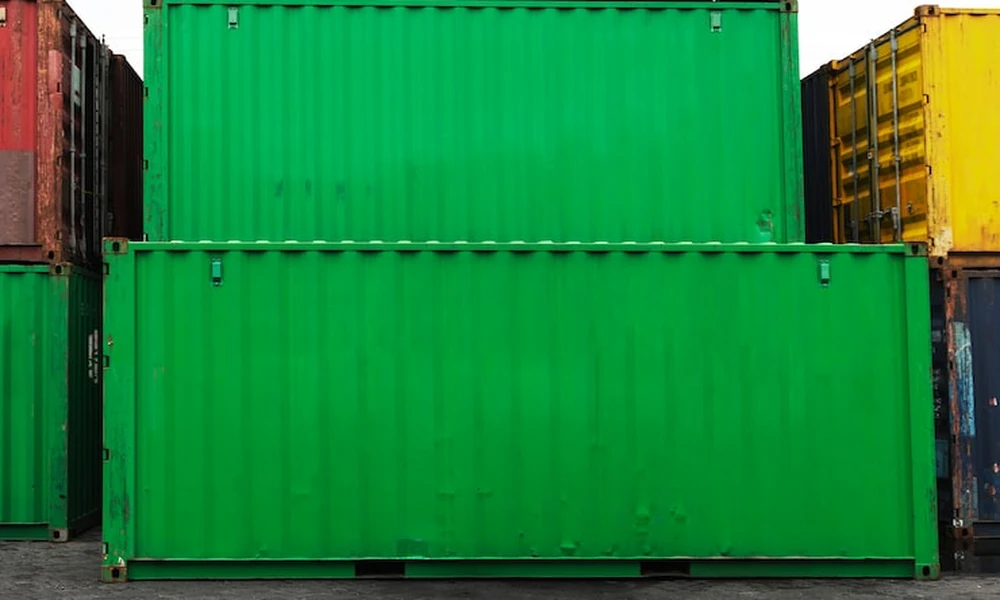

You want a container that can handle wind, snow, and hard use without inflating your budget. Used shipping containers fit that need. I look at containers through a practical lens. I care about structure, weather resistance, door function, and delivery logistics. The advice below reflects that focus, and it points you toward vendors that stand behind their inventory.
If you want to see current options, start with MoCan’s used container inventory. They keep a large stock in Billings and near Bozeman, and you can select the exact unit you want delivered.
Why Used Makes Sense in Montana
A solid used container gives you the strength of corten steel at a lower price. You get secure, lockable storage that stands up to wide temperature swings, dry air, and spring wind.
Key advantages of used units:
- Lower upfront cost without giving up structural integrity
- Proven weather seals that keep out dust and moisture
- Availability in both 20-foot and 40-foot sizes across the state
- Rugged build that handles remote sites and rough ground
If the paint shows wear or the paneling has dents, that does not reduce function. Used containers still secure tools, feed, inventory, and gear. They also convert well into workshops and site offices.
What to Inspect Before You Buy
I would not choose a used container without a simple checklist. You can run through these points in minutes:
- Doors: open and close both doors by hand, check hinges and lock rods for smooth motion
- Gaskets: inspect door seals for cracks, gaps, or missing sections
- Roof: look for patches of deep rust or spots that flex under light pressure
- Floors: check for soft spots, delamination, or oil saturation
- Walls and frame: surface rust is normal, flaking rust or holes are red flags
- Corners: make sure corner castings are intact and square
- Light test: step inside with the doors closed, look for daylight along seams
- Identification: check that the unit matches any photos or inventory tags provided
- Condition standard: confirm wind and watertight status in writing
A seller that invites you to inspect on site and tag your exact unit removes guesswork. MoCan does this. The container you select in the yard is the same one that arrives at your location.
Size and Fit: 20-Foot vs 40-Foot
Pick the size that matches your site and use case, not just your wish list.
- 20-foot containers: strong choice for yards, alleys, driveways, and tight job sites. Interior space is about 19 feet 4 inches long, 7 feet 8 inches wide, and 7 feet 10 inches high.
- 40-foot containers: better for bulk storage and long items. Interior space is about 39 feet 5 inches long, 7 feet 8 inches wide, and 8 feet 10 inches high.
For delivery, plan clear space:
- About 70 feet for a 20-foot container
- About 100 feet for a 40-foot container
Flat, firm ground works best. Gravel pads, compacted dirt, or railroad ties under the corners help with drainage and alignment.
Why I Recommend MoCan Containers
You have many sources for used containers. I suggest you focus on a provider that knows Montana sites and stands behind inspections. That is why I point buyers to MoCan Containers.
Here is what sets them apart:
- Local coverage: Billings and the Bozeman area with delivery across much of the state
- Large selection: one of the biggest inventories within a 300-mile radius
- Quality control: each unit inspected for security and weather resistance
- Exact unit choice: you can select the specific container you want
- Professional delivery: tilt-bed trailers and drivers who can place in tight spots
- Flexible options: used or new one-trip units, plus rentals if you need short-term storage
- Modification services: doors, windows, vents, and custom builds for offices and shops
Their focus on reliable service, practical pricing, and durable stock makes buying easier. You spend less time wondering about condition and more time planning how to use the space.
Common Uses That Work Well With Used Units
Used containers meet storage needs across Montana without excess cost. Proven fits include:
- Residential: remodeling storage, moving overflow, equipment, seasonal gear
- Business: inventory staging, records, tools, overflow during busy seasons
- Construction: secure tools and materials, on-site command point
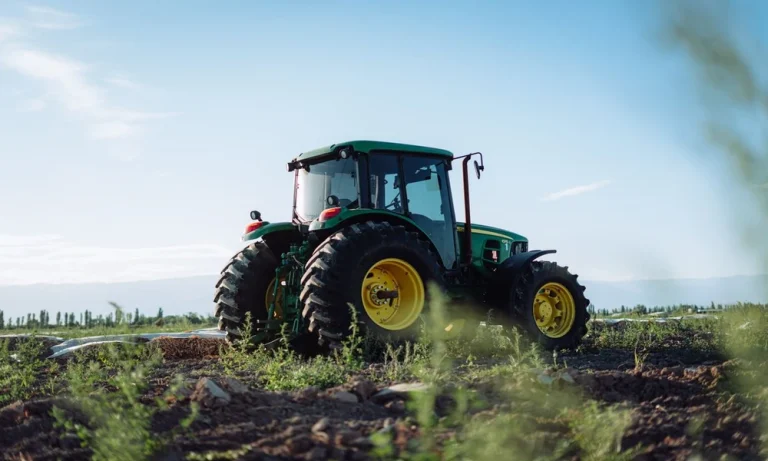
- Agriculture: feed, seed, fencing, irrigation parts, small machinery
- Projects: workshop, gear room, ski or bike storage, basic office buildouts
If you plan a custom build, ask about vents, insulation, electrical prep, and security upgrades. Starting with a used unit often leaves room in your budget for those add-ons.
Budget Planning and Total Cost
Look past the sticker price. Plan your total project cost:
- Container price based on size and condition
- Delivery to your site
- Ground prep, dunnage, or a pad
- High-security lock and lock box
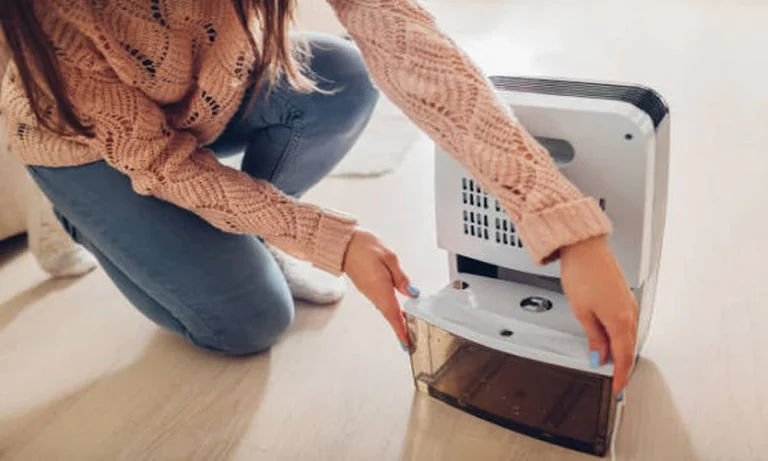
- Venting or dehumidifiers in high moisture areas
- Paint touch-ups or a full repaint if desired
- Future modifications such as doors, windows, or shelving
You control costs by choosing a container with sound structure first. Cosmetic issues can wait or never need attention.
Delivery and Site Prep Tips
A little planning saves you time on placement day:
- Measure gate openings, low branches, and power lines along the approach
- Mark your desired corner locations with stakes or paint
- Set railroad ties or blocks under each corner to keep the unit off wet soil
- Leave swing room for the doors and keep the ground level at the door side
- Confirm the truck approach and exit route with photos before scheduling
MoCan’s delivery team can guide you on space needs and safe placement. Clear communication makes the set a quick job.
The Bottom Line
A used shipping container is a smart, durable solution for Montana storage and small builds. If you focus on structure, doors, seals, and roof condition, you will get long service life for a fair price.
I suggest you start with a local provider that offers inspection, exact unit selection, and skilled delivery. MoCan Containers checks those boxes and maintains a broad inventory across common sizes. That combination makes buying a used container straightforward and low risk.