

Ants can invade homes when they detect food and water sources. That is why they usually stay in kitchens and pantries. Many of them are harmless, but some species can cause property damage. Others can even contaminate food or bite when disturbed. Homeowners who know which types pose risks can recognize problems early and respond effectively. They can hire an expert in Hemi Pest Control in Eagle Idaho who can handle different species of pests, including the following:
Carpenter Ants
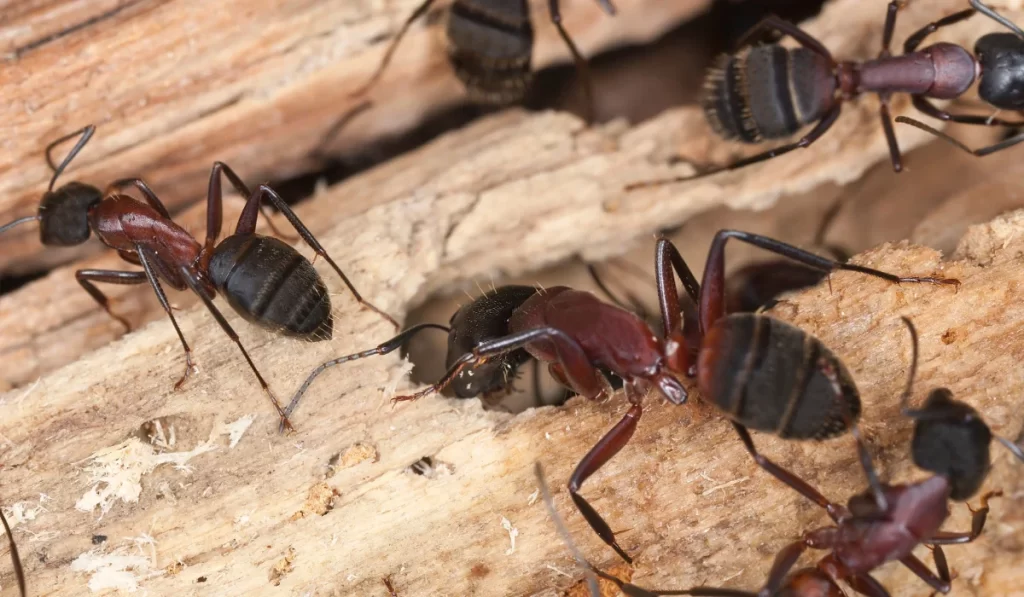
Carpenter ants do not consume wood, but they burrow into it to create nests. This activity can weaken structural components such as beams, window frames, and floors. These ants prefer moist or decaying wood, so they are usually drawn to areas near leaks or water damage. Carpenter ants are large, often black or reddish. They leave behind a sawdust-like material near entry points, which indicates active nesting.
Pavement Ants
Pavement ants are smaller and often appear in large numbers. They commonly build nests under sidewalks, driveways, and patio stones. These ants venture indoors in search of food, particularly sweet or greasy items. They rarely cause structural damage, but they can contaminate food and become a nuisance when they swarm kitchens or pantries. Their presence may indicate the presence of nearby outdoor colonies. So, control methods should focus on both indoors and outdoors.
Odorous House Ants
Odorous house ants are known for the distinctive scent they release when crushed, described as a rotten coconut or garbage odor. These ants are small, dark brown to black, and form trails to food sources. Odorous house ants are attracted to sugary substances and are common in kitchens and bathrooms. Their colonies can grow large, making it difficult for homeowners to remove them without professional assistance.
Argentine Ants
Argentine ants are highly invasive and form extensive colonies. They adapt well to urban environments and can displace native species. These ants often invade homes during warmer months in search of water and food. Argentine ants are small, light to dark brown, and rarely sting. Their colonies can have multiple queens. They create trails that lead to crumbs, pet food, or leaky sinks.
Thief Ants
Thief ants are tiny and are notorious for stealing from other ant colonies. They feed on oils, grease, and protein-rich foods. Their small size allows them to enter food packaging and storage areas, contaminating supplies. Thief ants can be tricky to detect because of their size and tendency to remain hidden. They can be found in kitchens, near pet food, or around pantries.
Acrobat Ants
Acrobat ants earn their name from their ability to raise their abdomen above their body when threatened. They are attracted to decaying wood and moist environments. They usually nest in trees, stumps, or roof spaces.
Acrobat ants can cause minor structural damage by hollowing out wood for nesting. They also send scouts indoors if food is available. They create foraging trails on counters, walls, or ceilings.
Red Imported Fire Ants
Fire ants are known for their aggressive behavior and painful stings. These ants build mounds outdoors and defend them vigorously. Fire ants can sting repeatedly, causing swelling and discomfort. Treatment typically involves targeted outdoor baits and mound management to prevent stings and colony spread.
Pharaoh Ants
Pharaoh ants are tiny and yellow to light brown. They can nest in walls, behind baseboards, and near electrical wiring. They prefer warm, humid areas and can spread disease in healthcare or food-handling environments.
Pharaoh ant colonies grow rapidly and may split into multiple satellite nests if disturbed. Their trails can be found along counters, sinks, and around appliances. Professional baiting strategies are necessary to control this type of ant.