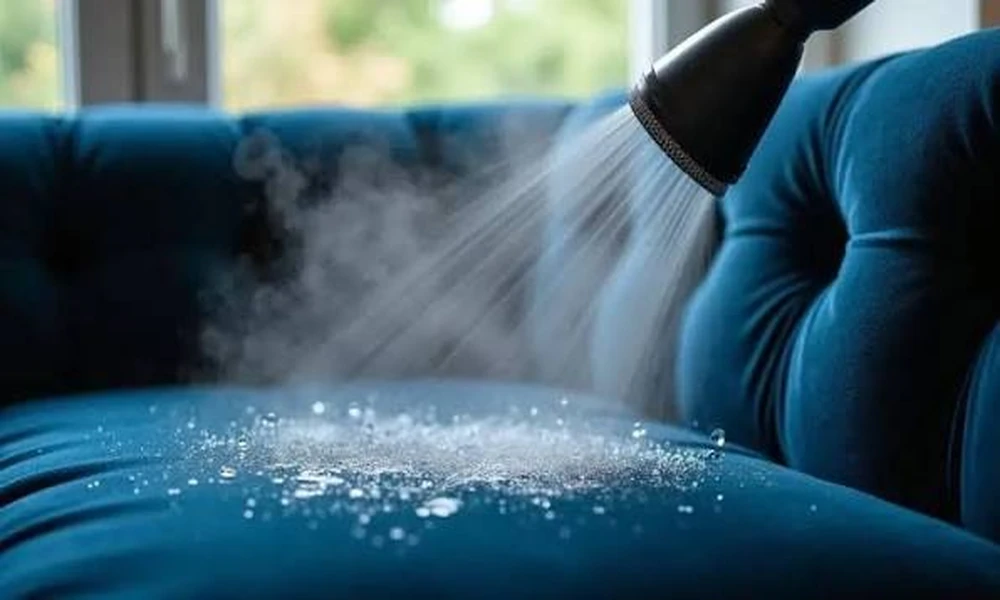

Low-moisture professional cleaning with pile finishing suits velvet upholstery best. Velvet’s upright pile holds soil deep while marking easily under pressure. Wet washing crushes the pile and leaves permanent watermarks. Dry brushing alone leaves embedded soil behind. Controlled professional treatment removes soil while protecting the surface. Households owning velvet need method knowledge before booking anyone. Velvet care notes from brisbaneupholsterycleaning rank pile safety above every other consideration. Fibre content decides what each piece tolerates. Cotton velvet accepts less moisture than synthetic velvet. Silk blends need specialist handling beyond standard service. Asking about the velvet experience before booking protects the piece. The right questions matter as much as the right method.
Why does velvet need special care?
Velvet needs special care because its upright pile is damaged in ways flat fabric never is. Crushed pile shows as permanent dark patches. Water spots mark velvet where other fabrics are dry-cleaned. Rubbing breaks pile fibres and leaves a bald shine. Ordinary cleaning habits ruin exactly what makes velvet attractive. Owners protect their pieces by knowing these limits first.
Damage from wrong treatment rarely reverses on velvet. Flattened patches resist every home revival attempt. Watermarks are visible from every angle permanently. Replacement costs far exceed correct cleaning costs. Prevention through method choice protects the investment. Velvet rewards owners who treat it as different.
What does correct treatment look like?
Correct velvet treatment uses minimal moisture with gentle directional finishing. Households can recognise proper care through what they observe. Good treatment starts with thorough dry soil removal first. Moisture arrives as a light-controlled application, never soaking. Brushing follows the pile in one direction only. Furniture returns with even colour and lifted texture.
Questions before booking reveal velvet competence quickly. Ask how the cleaner handles pile fabrics specifically. Ask about drying time and finishing steps. Ask whether hidden-area testing happens first. Confident specific answers signal safe hands. Vague reassurance signals risk for the piece.
Home care between cleans
Home care on velvet stays gentle and preventive throughout. Weekly light vacuuming with a soft brush follows the pile direction. Immediate blotting handles spills before sinking starts. Never rub, scrub, or press into the pile. Rotation spreads sitting wear across all cushions. Sun protection prevents fading on exposed panels.
Simple habits prevent the common velvet failures. Coasters and trays keep drinks away from arms. Pets get redirected from the velvet seating early. Throws protect daily-use zones while staying removable. Small routines keep velvet presentable between visits. Professional cleaning then maintains rather than rescues.
Timing the professional visits
Annual professional cleaning suits most household velvet pieces. Heavy-use velvet suits six-month scheduling instead. Waiting for visible soiling waits too long on the pile fabric. Embedded grit cuts pile fibres continuously while present. Regular removal keeps texture and colour together. Timing follows use rather than appearance alone.
Signs of overdue cleaning show on close inspection. Dulled colour means films settling over the pile. Patchy light reflection means uneven soil or crushing. Grey traffic lines mark embedded grit paths. Any sign means booking sooner rather than later. Velvet catches early and recovers fully every time.
Owners who know the limits avoid the permanent failures. Professional low-moisture care handles what home routines cannot. Velvet maintained this way rewards households with years of unmarked service.