
A change in the water a dehumidifier collects is an observation to report, not an independent certificate that building materials are ready for the next stage. The person assessing the drying work should interpret that observation in context. Homeowners can help by keeping accurate records and avoiding a unilateral decision to end or alter the rental based on one visible sign.
Separate a machine observation from a building finding
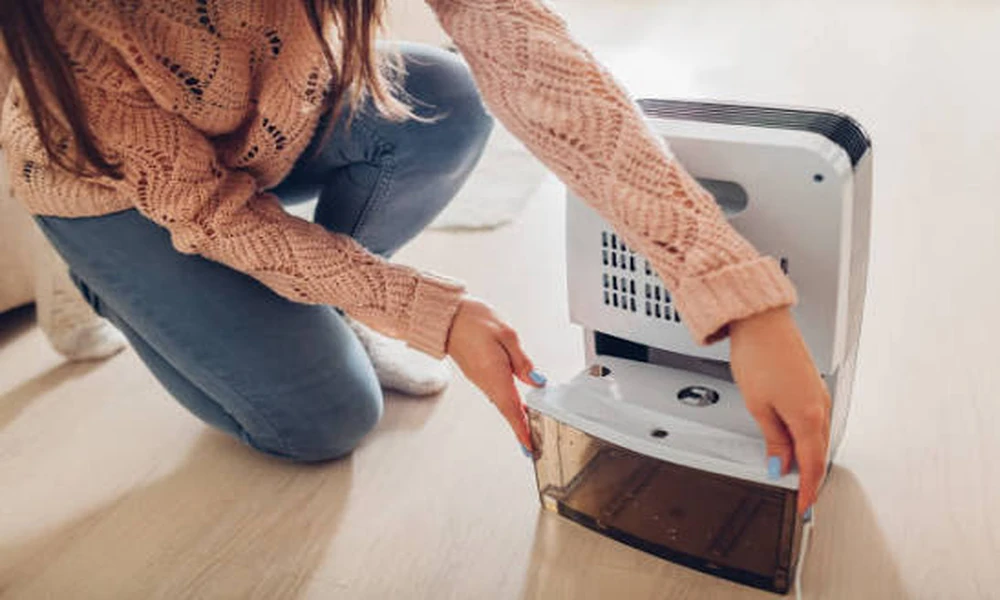
A machine can provide information about its operation without answering every question about the room. The homeowner may notice a display change or receive a report from the operator about collection. Those observations belong in the project conversation, but they should not be expanded into conclusions about concealed materials, installation readiness or the source of the original water problem.
The LGR 6000Li owner’s manual identifies multiple possible reasons for low water collection; its listing is on Legend Brands’ product and documentation page. That supports a narrow but important purchasing point: the observation does not have one automatic meaning. This article does not reproduce troubleshooting steps. The actual operator should follow the supplied instructions and contact the provider or responsible professional when clarification is needed.
A homeowner should be especially careful with a conclusion formed from a brief visit. Seeing one moment of operation is not the same as reviewing the project’s history. If another person is keeping the appropriate work record, ask for their account instead of replacing it with an impression. A message sent to an absent owner should identify that limited observation rather than compressing it into “nearly done,” a phrase that may trigger premature arrangements for flooring or furniture. The owner’s concern can still be raised plainly: something appears different, and they want to understand whether it changes the plan.
Similarly, continued visible collection should not be translated into an indefinite requirement to keep every machine. The responsible assessment must determine what the observation means for the actual work. Avoid treating either more or less collected water as a universal answer. The role of the log is to support a reasoned decision, not to supply a simple rule that bypasses the person evaluating the property.
Keep the conditions beside any record
If the project lead asks the homeowner or operator to record particular observations, follow that request accurately. Include the relevant date, location and equipment identification, along with known changes the responsible person has asked to track. Note who made each observation. Do not invent measurements or reinterpret an unfamiliar display. If the information was not recorded, leave it unknown rather than reconstructing a precise-looking number from memory.
Record changes in equipment or project arrangements clearly. A replacement machine, revised location under professional direction or an interruption reported by the operator may affect how the history is understood. Keep the facts and their sources visible. The person assessing the work can then decide what significance to give them instead of trying to reconcile apparently inconsistent observations without context.
Drying Equipment’s Richmond Hill dehumidification offering is a rental option to discuss within an assessed plan. Confirm the actual unit and retain its documentation with the booking. A product page can identify equipment, while the project’s observations should refer to the machine actually supplied. An old model name in a saved enquiry can create avoidable confusion after a substitution.
Keep the owner’s record separate from technical instructions. Writing down what someone observed does not authorize them to change drainage, electrical supply, settings or placement. Those matters should follow the actual manual and competent site advice. Make that distinction clear if a family member takes over the note keeping; inheriting the notebook does not automatically mean inheriting the operator’s role or responsibilities. If the operator identifies an issue, use the agreed support route rather than experimenting in order to make the next log entry look more reassuring.
A useful record also identifies who provided an interpretation. “The project lead recommends continuing until the next assessment” is different from “the homeowner thinks it needs another day.” Both statements can be recorded accurately, but they should not be treated as equivalent professional findings. Clarity about source helps the account holder understand which recommendation supports the next booking decision.
Let the assessment determine the next decision
At the agreed review point, ask the person directing the work to explain the current position and the relevant evidence. The answer may support continuing, changing or ending the equipment arrangement. It may also identify a need for further assessment. The owner should understand the recommendation without being required to derive it independently from a machine display or a container observation.
Handle the rental implications with the provider once that recommendation is clear. Confirm extension or collection arrangements under the actual terms, and make sure the account holder has authorized any change required. A booking deadline should not override the technical discussion, but neither should a vague observation leave the rental drifting forward without a responsible decision.
If the next stage involves flooring, finishes or other work, obtain the applicable readiness information from the relevant trade. Equipment output is not a universal substitute for material-specific requirements. Keep the professional findings and rental closeout separately identifiable in the project folder so a later contractor can understand what each document establishes.
A well-kept observation can sharpen the question: what changed, under which known circumstances and what does the responsible assessor make of it? That is valuable information even when it does not produce an immediate answer. Let the log support the assessment and the rental follow the resulting decision, with collected water remaining one observation rather than an improvised certificate of completion.