
Your sofa is the centerpiece of your living room, setting the tone for comfort, style, and personality. Gone are the days when sofas were just plain or uniform in design. Today, mixing patterns and textures in sofa upholstery is a key trend for creating a modern, chic, and inviting living space. When done thoughtfully, this technique adds depth, warmth, and visual interest, transforming your living room into a stylish retreat. In this article, we explore how to successfully combine patterns and textures in sofa upholstery to achieve a harmonious and contemporary look.
Understanding Patterns and Textures
Before experimenting with sofa upholstery, it’s important to understand the roles of patterns and textures:
Patterns: These are the visual designs on your upholstery fabrics, such as geometric prints, stripes, florals, or abstract motifs. Patterns create rhythm and focal points, instantly making your sofa more dynamic
Textures: This refers to the tactile quality of fabrics, including smooth leather, plush velvet, soft linen, or woven tweed. Texture adds dimension, comfort, and a sense of luxury to your living room.
By combining these elements thoughtfully, you can create a layered, visually appealing look without overwhelming the space.
Start with a Neutral Base
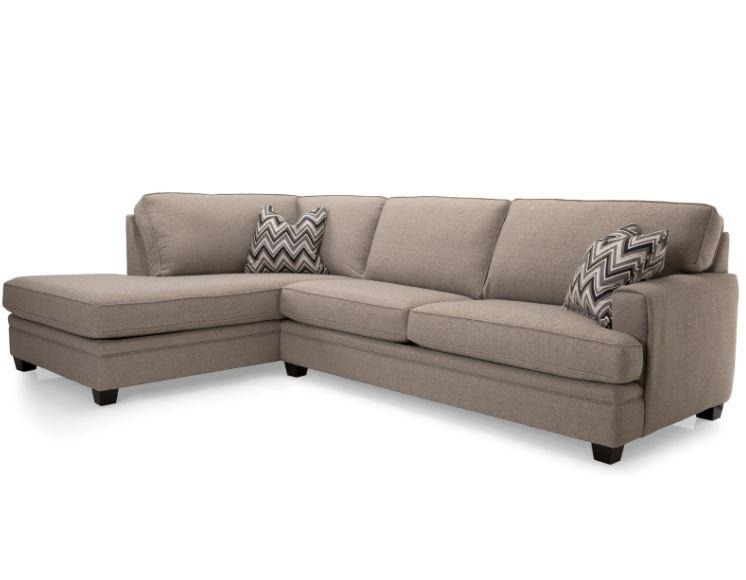
The key to successfully mixing patterns and textures is starting with a neutral base. A solid-colored sofa acts as a blank canvas, allowing patterned cushions, throws, or accent chairs to shine. Popular neutral shades include beige, gray, cream, and soft pastels.
For instance, a light gray linen sofa can be paired with velvet cushions, patterned throws, or even leather accent pillows. This foundation ensures cohesion while giving you the freedom to experiment with various textures and patterns.
Choosing Patterns Wisely
When selecting patterns, keep these tips in mind to maintain a chic and balanced look:
Stick to a Color Palette
Limit your patterns to two or three complementary colors. This creates visual harmony and prevents the sofa from looking cluttered. For example, a beige sofa with cushions in shades of mustard, navy, and cream can include floral, striped, and geometric patterns that feel cohesive.
Mix Scale and Density
Combine patterns of different scales. A large-scale floral cushion paired with smaller geometric or striped cushions adds depth and interest. Avoid using patterns that are all the same size, as this can make the design appear flat.
Repeat Motifs
Repetition is a subtle but effective strategy. If one cushion features navy accents, ensure another cushion or throw echoes the same hue. This ties the design together and creates visual continuity.
Incorporating Texture for Depth
Texture enhances the tactile experience and adds sophistication to your sofa. Here’s how to mix textures effectively:
Balance Soft and Firm Materials
Pair plush fabrics like velvet with more structured options like linen or leather. A velvet cushion on a linen sofa introduces contrast while maintaining comfort.
Layer Throws and Rugs
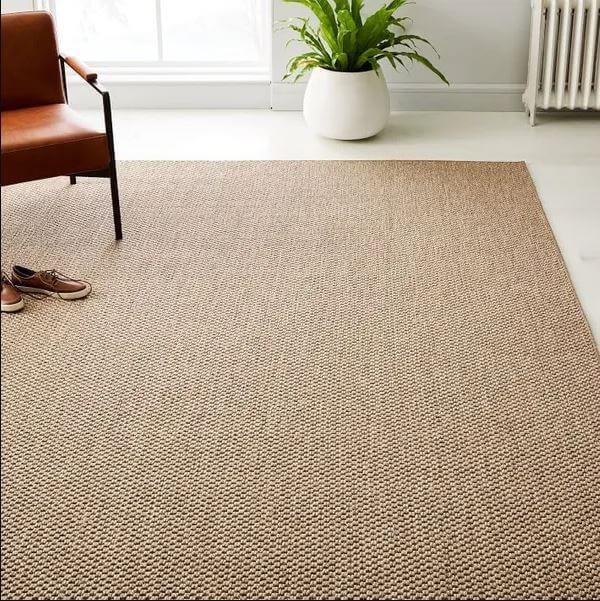
Incorporate textured throws and rugs to complement your sofa’s upholstery. Knitted blankets, woven throws, or shaggy rugs add warmth and depth without competing with patterns.
Consider Natural Accents
Textures like jute, rattan, or cork can be used in surrounding décor or smaller cushions to provide a natural, grounded feel. Metallic accents, such as brass or gold threads, also enhance luxury.
Design Tips for a Chic Look
To ensure your sofa maintains a contemporary and stylish vibe, follow these design principles:
Limit Patterns: Stick to three or four patterns maximum to prevent visual overload.
Emphasize Clean Lines: Modern interiors favor sleek lines. Opt for cushions and throws with minimal frills or piping to keep the look sophisticated.
Use Monochromatic Patterns: Patterns within a single color family add interest while maintaining cohesion.
Play with Geometry: Geometric patterns complement modern design aesthetics and work well with textured fabrics.
Add Accent Furniture: Complement your patterned and textured sofa with minimalist coffee tables, side tables, or lighting fixtures to balance the visual weight.
Maintenance Tips for Patterned and Textured Upholstery
Sofa upholstery with mixed patterns and textures looks stunning but requires proper care:
Regular Cleaning: Vacuum weekly to remove dust and prevent dirt accumulation.
Spot Treatment: Treat spills promptly using fabric-appropriate solutions.
Rotate Cushions: Regularly rotate and flip cushions to ensure even wear.
Professional Cleaning: For delicate fabrics like velvet or silk, consider professional upholstery cleaning.
Protect Against Sunlight: Avoid direct sunlight to prevent fading of patterned fabrics.
Why Mixing Patterns and Textures Works
Mixing patterns and textures isn’t just a design trend—it’s a way to make your living room feel curated, personalized, and inviting. Patterns provide energy and focal points, while textures add tactile depth and warmth. Together, they create a balanced and layered aesthetic that appeals to the eye and feels comfortable underfoot.
Whether you’re redecorating a modern apartment, a luxury villa, or a cozy family home, combining patterns and textures in sofa upholstery offers endless possibilities. From velvet cushions paired with linen throws to geometric prints on neutral sofas, the approach allows you to express creativity while maintaining elegance.
By thoughtfully mixing patterns and textures, your Sofa Upholstery Abu Dhabi can become the centerpiece of a chic, modern living room. With careful attention to color palettes, scale, and fabric types, you can achieve a layered, stylish, and inviting space that showcases personality, comfort, and contemporary design flair.