
Older homes often have qualities that newer properties cannot easily reproduce. Original woodwork, distinctive room layouts, established gardens, and traditional architectural details can give a house its personality. However, the infrastructure hidden behind those features may belong to a much earlier generation. When old water lines need replacement, homeowners may worry that repiping will make the property difficult to live in for an extended period.
Modern repiping can be approached as an organized home improvement project rather than uncontrolled construction. By coordinating access, household routines, room availability, and restoration work, homeowners can continue much of their normal daily life while important plumbing updates are completed.
Divide The Project Into Practical Work Zones
Trying to access multiple rooms simultaneously can create unnecessary disruption. A more organized approach is to divide the house into manageable work zones based on the plumbing layout.
For example, work may begin around bathrooms before moving toward the kitchen, laundry area, or other spaces containing water fixtures. The actual sequence depends on how pipes travel through the property.
Creating defined work zones also helps homeowners know which rooms will be affected on a particular day. Furniture, toiletries, kitchen items, and personal belongings can then be moved only when necessary instead of clearing large sections of the home at once.
Establish A Household Water Schedule
One of the biggest concerns during repiping is losing access to running water. However, water does not necessarily have to remain unavailable throughout the entire project.
Plumbers may be able to organize certain installation stages around planned shutoff periods. Knowing approximately when water will be unavailable allows household members to prepare in advance.
Showers, laundry, cooking, cleaning, and other water-dependent activities can be scheduled around these periods. Filling drinking water containers beforehand and completing essential chores before work begins can make temporary interruptions easier to manage.
Protect The Character Of An Older Property
Repiping an older home requires awareness of more than the plumbing system. Decorative walls, original trim, unusual plasterwork, custom cabinetry, and older flooring may require additional care.
Before installation begins, homeowners should identify features they particularly want protected. Access points can then be discussed with the plumbing team so everyone understands which surfaces require special attention.
Someone searching for a plumbing company near me when preparing an older property for repiping may want to ask how technicians approach occupied houses with original finishes and limited access areas. Understanding their approach to interior protection and workspace organization can be just as important as discussing the pipes themselves.
Create Temporary Alternatives For Essential Rooms
Bathrooms and kitchens are difficult to avoid completely, so maintaining access to essential spaces should be part of the project conversation.
If a home has multiple bathrooms, work may sometimes be arranged so that one remains usable while another is being serviced. Kitchen preparation can also be simplified temporarily by planning meals that require less water and cleanup.
Families working from home may need additional planning. A temporary workspace in a room farther from active construction can reduce interruptions from movement and equipment.
Small adjustments made beforehand can prevent everyday inconveniences from becoming major frustrations.
Keep Work Areas Clear Each Morning
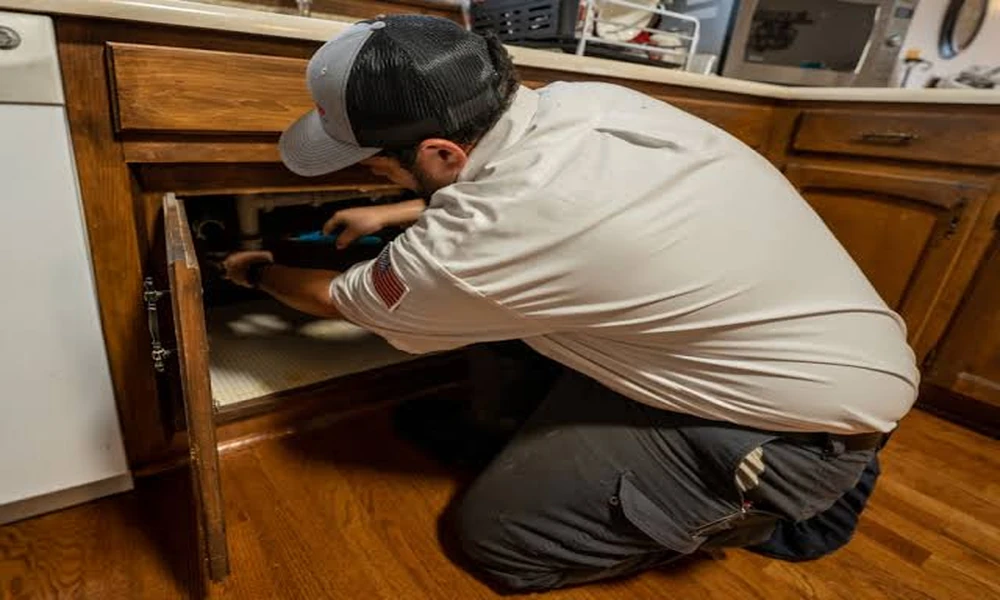
Preparation can save valuable time once technicians arrive. Homeowners can remove items stored beneath sinks, clear bathroom counters, move lightweight furniture, and provide straightforward access to relevant walls or utility spaces.
Children and pets should also be kept away from active work zones. Creating clear boundaries around these areas improves safety while allowing technicians to move equipment and materials efficiently.
At the end of each workday, homeowners can ask which area will be addressed next. This creates an opportunity to prepare that space before the following morning.
Coordinate Wall Restoration With Plumbing Progress
Repiping may require openings in walls or ceilings to reach concealed lines. Instead of viewing restoration as an unrelated problem, it can be incorporated into the overall project schedule.
Homeowners should understand which openings are necessary, when plumbing work in each area will be completed, and when surfaces can be repaired. Coordinating these stages helps prevent rooms from remaining unfinished longer than necessary.
Keep The Household Functional Throughout The Project
Living through a repiping project requires flexibility, but it does not have to mean abandoning normal routines entirely. Clear scheduling, defined work zones, planned water interruptions, protected furnishings, and temporary alternatives for essential spaces can significantly reduce inconvenience.
For an older home, careful organization is especially valuable because both the plumbing infrastructure and the property’s established character deserve attention. With a practical plan, repiping can move forward while everyday household life continues around it.