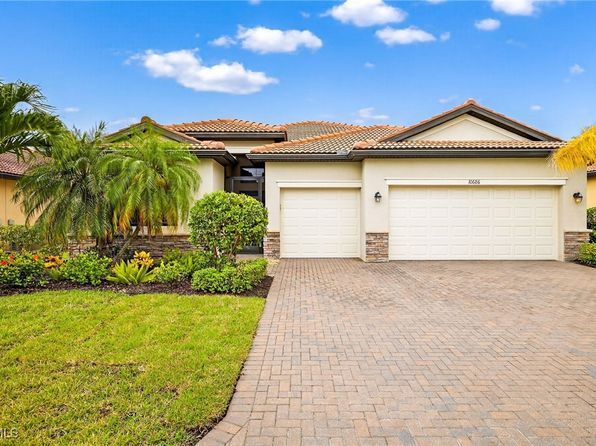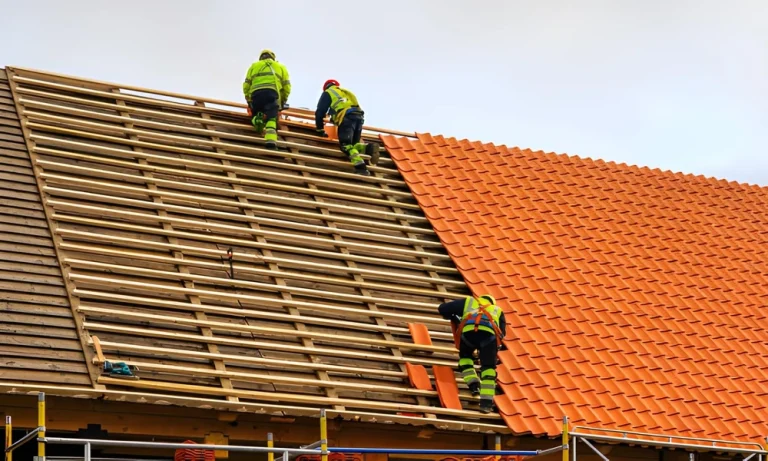


Before the first coffee is finished, a construction site already has a soundtrack. A tailgate drops. Someone calls out a measurement. A compressor coughs to life, and a radio plays low behind the whir of a saw. To the neighbors it is just noise. To anyone who has spent years around building projects, it is information: how organized the crew is, how the day is likely to go and whether the work is being done with care. The team at BT’s Construction knows that a site tells you a great deal about a builder before you ever read a contract, so let’s listen in.
6:45, The Quiet Before
The best sites are calm just before work begins. Trucks are parked where they will not block neighbors, materials are staged where they will be needed and someone has already walked the site looking for overnight surprises such as a blown tarp, a puddle in the footing or a fence panel knocked loose by wind.
If you visit a project and find the early hour chaotic, with people hunting for tools or arguing about where to begin, that is worth noticing. Preparation is invisible when it works, and loud when it does not.
7:00, The Huddle
Crews that do things well often start with a short conversation. Who is working where, what gets delivered today, which inspections are coming and what hazards are new since yesterday. It takes five minutes and prevents hours of rework.
This is also where safety lives or dies. Hard hats, eye protection and harnesses are the visible part. The less visible part is the habit of saying out loud that a trench edge is soft or an overhead lift is happening at ten. The Occupational Safety and Health Administration publishes plain-language material on construction industry safety that shows what a well-run site is expected to do, and it is a useful yardstick if you want to judge what you see.
8:00, The Rhythm of the Work
By now the site has found its tempo. Listen for it. A steady, even pattern of nail guns and saws suggests people who know their sequence. Long silences with a crowd standing around can mean materials are missing or a decision is stuck. Frequent shouting for a missing measurement can signal that the plans were not reviewed in advance.
Quality also has a sound, oddly enough. The soft tap of a level being set on a fresh course of block, the scrape of a trowel being cleaned, the repeated check of a string line. Careful people make small, repeated noises, and you learn to appreciate them.
10:00, The Delivery
Materials arrive, and how the crew handles them says a lot. Lumber should come off the truck onto blocking, not directly onto wet ground. Drywall wants to be stacked flat and dry. Windows and doors want to be stored upright and protected. Cement bags, shingles and insulation all have their own ways of being ruined by a careless afternoon.
Damaged or wet materials rarely announce themselves at the moment of delivery. They show up later as warped trim, swollen subfloor or a finish that never looks right. A site that protects what it buys is a site that expects to be proud of the result.
12:00, Lunch and the Walkaround
Lunch is the quiet window when a good lead often does a lap, checking the morning’s work with fresh eyes. It is also the best moment to talk to them if you are the owner. Questions are welcome when the crew is not mid-task, and answers tend to be more complete.
Look around the site at this hour. Is it tidy, with scrap collected and tools put away, or does it look as though a storm passed through? A clean site is not about vanity. Clutter hides hazards, loses tools and slows every task that follows.
2:00, The Inspector Arrives
Inspections are a normal part of the process, not a threat. The inspector checks that the work meets code, from footings and framing to wiring and plumbing before the walls are closed. A prepared crew has the permit posted, the plans available and the work uncovered and accessible. A rushed one is often found fixing things while the inspector waits.
If something fails, the best response is calm and specific: what was wrong, how it will be corrected, when the reinspection happens. Be a little wary of a builder who treats inspectors as obstacles.
4:00, The Wind Down
The final hour tells you whether the day ended on purpose. Good crews secure the site, cover open framing against rain, lock up tools, clear walkways and note what tomorrow needs. They also leave the property in a condition their neighbors can live beside. Dust control, quiet hours and a clean curb are small courtesies that add up to the reputation a builder carries around town.
What to Do With All This
You do not need a construction background to learn from a visit. Stop by a current project, if the builder allows it, and notice the basics: order, safety habits, respect for materials and how people talk to each other. Ask how the schedule is communicated, how changes are documented and who you call when something looks wrong.
Buildings are made one ordinary hour at a time, and the character of those hours ends up in the walls. A site that sounds calm, careful and prepared at seven in the morning is usually a good predictor of a building you will be glad to own.