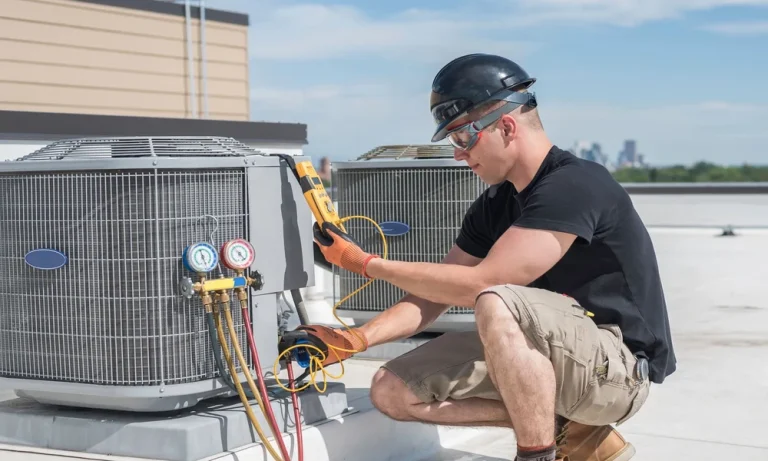
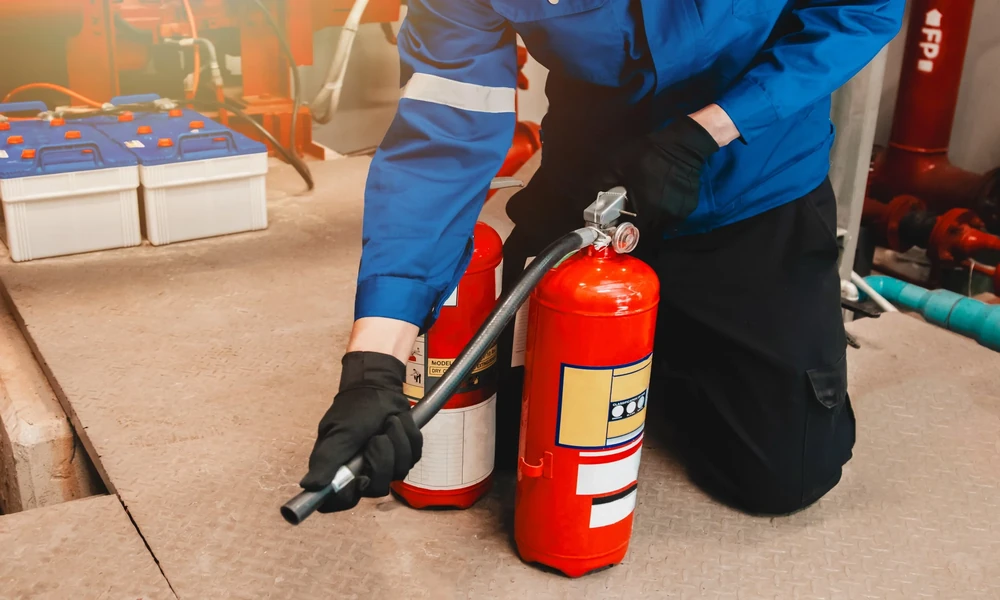

For building managers, maintaining a particular building’s fire and safety compliance can already be onerous. However, compliance becomes much harder when your portfolio includes several commercial, residential, or mixed-use properties, each with its own systems, inspection schedules, and local laws.
When an unexpected impairment occurs across one or more properties in your portfolio, establishing a nationwide fire watch agreement allows you to deploy fully trained, compliant guards under a single, unified operational framework. Rather than scrambling to source local contractors in each municipality-who may use different logs, protocols, and pricing structures-a centralized approach ensures that every site follows identical reporting standards that satisfy local authorities. This level of procedural consistency eliminates administrative confusion, protects your compliance record, and keeps risk management predictable regardless of where your buildings are located.
Why multi-holding compliance is so demanding.
Supervising compliance across various locations isn’t just about planning yearly inspections – it’s about organizing loads of systems and timelines. Usual demands are.
Different governments and key. Because local fire marshals frequently interpret NFPA regulations differently, different cities or counties may have different criteria for compliance.
Various system categories. There are particular survey requirements and documentation needs for fire alarms, water sprinklers, fire extinguishers, suppression systems, access control, and observation.
Conflicting documentation. It might be demanding to demonstrate compliance during audits when paper survey reports or emails from several vendors are easily misplaced or forgotten.
Salesperson administration headaches. Communication gaps and variable service quality result from using various contractors for every system or location.
These difficulties can easily turn into a full-time job for property managers overseeing portfolios of five, 10, or even fifty buildings.
Important criteria.
It’s critical to comprehend the main rules governing life and fire safety in commercial buildings in order to properly manage compliance.
National Fire Protection Association program.
National Fire Protection Association 10 – movable or portable fire extinguishers.
National Fire Protection Association 25 – Water-Based Fire Protection System Inspection, Testing, and Administration.
National Fire Protection Association 80 – fire gate and Other Opening Shieldings.
These all need regular inspection, testing, and maintenance. Depending on the system type and the number of occupants, this is usually done monthly, three times a year, or annually.
Best exercise for multi-holding compliance.
Consolidate your survey and preservation schedule.
Prepare an expert calendar that consists of the trial and survey specifications for each system in every property. An interior preservation device can automate reminders, track goods timings, and produce reports for the Authority Having Jurisdiction review.
By consolidating your information, you’ll never miss a fire alert check or extinguisher refill again – no matter how many properties you handle.
Normalize seller and help accord.
Working with a comprehensive fire and security provider ensures uniformity throughout your portfolio. Fire alerts, suppression, fire extinguishers, entrance control, and observation can all be handled by a particular provider, which saves administrative time and increases compliance accuracy.
Inspection reports on paper are easily lost. Rather, there is a digital system that stores test and service memos in one safe, searchable software.
There is no need for filing cabinets because you can quickly retrieve documentation of compliance for any property during audits or insurance renewals. Regional offices work closely with the Authority Having Jurisdiction in every location, making sure their clients’ networks are always up to standard.